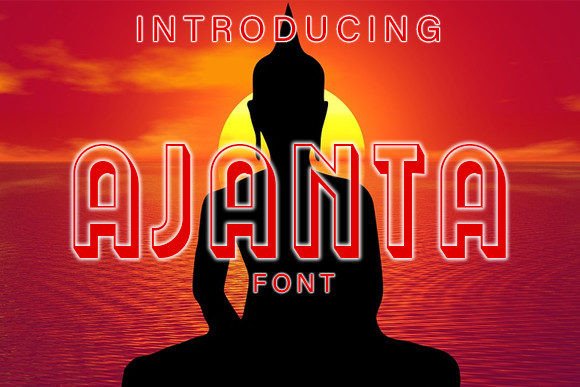
Ajanta: Elevate Your Designs with an Elegant 3D Display Font
Fonts are more than just letters—they're the visual heartbeat of your message. Choosing the right typeface can transform a simple design into a compelling statement, especially when it comes to posters, flyers, and t-shirts where impact is key. Ajanta is a standout 3D display font that brings a unique blend of elegance and depth to your creative projects. Whether you're a designer, marketer, or small business owner looking to make a bold impression, Ajanta could be the tool you need to elevate your work.
The Distinctive Appeal of Ajanta
Ajanta stands out for its three-dimensional structure, which adds a tactile and dynamic feel to any text it inhabits. Unlike flat fonts that sit on the page, Ajanta’s characters appear sculpted, creating a sense of movement and sophistication. This effect makes it ideal for designs that aim to catch attention at a glance—such as event posters, promotional banners, or branded merchandise like t-shirts.
The font’s elegant curves and balanced proportions ensure it remains readable despite its stylized form. Its 3D qualities aren’t overwhelming; instead, they enhance the visual hierarchy without sacrificing clarity. When used thoughtfully, Ajanta can convey professionalism, creativity, and a touch of luxury, depending on the context.
Who Can Benefit Most from Using Ajanta?
Ajanta is particularly well-suited for professionals in industries such as marketing, graphic design, fashion, and event planning. Marketers may find it useful for eye-catching headlines in print or digital campaigns. Graphic designers working on brand identities or packaging might appreciate how Ajanta gives their typography a modern edge. For fashion brands or streetwear labels, this font can add a stylish dimension to clothing tags, logos, or screen-printed designs on t-shirts.
Entrepreneurs launching new products also benefit from Ajanta's versatility. It allows them to create visually striking collateral that communicates quality and innovation. Educators designing classroom materials or workshops can use it to highlight key points and keep audiences engaged. Even hobbyists and content creators crafting social media graphics or personal blogs can leverage Ajanta to differentiate their content in a crowded visual space.
Real-World Use Cases for Ajanta
Let’s explore some practical scenarios where Ajanta shines:
- Event Posters: You’re promoting a high-end art exhibition or a music festival. A flat font might not stand out enough against the background images or color gradients. Ajanta’s dimensional look helps your title pop while maintaining a refined aesthetic.
- Brand Packaging: A boutique skincare company wants to emphasize natural ingredients and premium quality. By incorporating Ajanta into product labels or gift boxes, they achieve a balance between artistic flair and brand credibility.
- T-Shirt Design: A local artist is creating limited-edition shirts for a community project. Ajanta adds a subtle but powerful visual element that enhances the shirt’s appeal without distracting from the artwork or message.
- Marketing Flyers: A real estate agent needs to grab attention quickly in a competitive neighborhood. Ajanta can help the headline “Discover Your Dream Home” command more focus and evoke a sense of exclusivity.
Improving Communication Through Visual Impact
Effective communication isn’t always about what you say—it’s about how you say it. Typography plays a critical role in shaping perception. Ajanta’s 3D elements help reinforce important messages by making them visually prominent. In situations where you want to emphasize a slogan, headline, or call-to-action, Ajanta can guide the viewer’s eye and create a stronger emotional response.
For instance, a nonprofit organization using Ajanta in a flyer for a charity run might draw more empathy and urgency from potential donors simply by how the words "Every Step Counts" appear to rise off the page. The added depth subtly conveys meaning beyond the written word.
Supporting Creativity with a Unique Typographic Style
Designers often face the challenge of standing out in a sea of similar content. Ajanta provides a fresh typographic solution that supports originality. Its distinctive style opens up creative possibilities—whether you're layering it with shadows, adjusting lighting effects, or combining it with minimalist backgrounds.
One of the biggest advantages of Ajanta is its adaptability. It works equally well in vibrant colors for youth-oriented campaigns or in muted tones for sophisticated branding. This flexibility means you don't have to compromise on style to meet functional needs. Instead, you can experiment with different looks while ensuring the font remains effective in its purpose.
Time-Saving Benefits for Busy Creators
Many creators value efficiency as much as aesthetics. Ajanta simplifies the design process by offering a ready-made solution for adding dimensionality to text. Rather than spending time building custom 3D lettering from scratch, users can apply Ajanta and focus on other aspects of the layout, such as imagery, alignment, and color coordination.
This time-saving feature is especially valuable in fast-paced environments. A freelance designer with tight deadlines can streamline their workflow by using Ajanta to instantly add depth to a client’s poster or logo. Similarly, marketers running seasonal promotions can deploy the font across multiple platforms—print, web, and social media—with consistent visual strength.
Enhancing Presentation Quality Without Overcomplication
High-quality presentations require more than just good content—they need visuals that reflect professionalism and polish. Ajanta can be used in slides, infographics, or brochures to emphasize key data points, titles, or taglines. Because it's a display font, it’s best suited for larger sizes where its details can shine, rather than body text where readability is paramount.
Imagine presenting a case study on sustainable fashion. By using Ajanta for the section headers, you can immediately set a tone of innovation and environmental consciousness. The font doesn’t just look good—it tells a story through its visual presence.
When to Consider Alternatives
While Ajanta offers many strengths, it’s essential to consider the fit for each project. Display fonts like Ajanta are generally unsuitable for long paragraphs or fine print. If your design requires a large amount of text, such as a detailed report or website copy, pairing Ajanta with a clean sans-serif or serif font for body text will maintain legibility and balance.
Additionally, if you're aiming for a retro, handwritten, or highly minimalist style, Ajanta may not align with those goals. Always compare options to see which font complements your overall design language. Some 3D fonts can feel too busy or gimmicky, but Ajanta maintains a graceful equilibrium that suits most professional contexts.
How to Integrate Ajanta Into Your Projects
Integrating Ajanta into your workflow is straightforward. Once installed, it functions like any standard font in your design software—be it Adobe Illustrator, Photoshop, or even Figma. Begin by identifying the focal point of your design, then apply Ajanta to the headline or main title. Adjust the size, spacing, and color to match your brand guidelines and visual themes.
To maximize its effectiveness, consider these tips:
- Use it sparingly: Reserve Ajanta for key text elements. Overuse can dilute its impact and overwhelm the viewer.
- Play with contrast: Pair Ajanta with a lighter, more subdued font for secondary text. This ensures the 3D aspect remains the centerpiece without competing with other elements.
- Experiment with color: Ajanta looks stunning in metallic shades, pastels, or deep, rich hues. Try variations to see which best matches your brand identity.
- Test in different formats: Ensure it reads well on both large billboards and small screens. While it excels in print, its performance on digital platforms depends on rendering settings and resolution.
Getting the Most Out of Ajanta
Like any specialized font, the true potential of Ajanta emerges when it’s used with intention. Here are a few thoughtful observations based on common applications:
- It pairs beautifully with geometric shapes and abstract illustrations, creating a cohesive modern look.
- Its subtle shadowing works well with transparent textures or watercolor backdrops, allowing for layered and artistic compositions.
- For t-shirt designs, Ajanta should ideally be placed over solid-colored areas to avoid distortion caused by fabric patterns or weave.
- In video projects or animations, the 3D characteristics of Ajanta can be enhanced with motion effects like floating or rotating text, adding another level of engagement.
Conclusion
Ajanta is more than just a font—it’s a strategic design choice that enhances visual storytelling and improves audience engagement. Whether you’re crafting a poster for a launch event, designing a t-shirt for a campaign, or refining the look of a marketing brochure, Ajanta provides the elegance and dimension needed to leave a lasting impression.
By understanding its strengths and limitations, you can confidently integrate Ajanta into your creative toolkit. It supports your goals of standing out, communicating effectively, and delivering polished results. As with all design tools, the key is to use it wisely and consistently with your brand voice.
If you’re ready to explore a new way of expressing your message, give Ajanta a try. Let it bring depth and distinction to your next project.