Dynamic Wave: A Funky, Wavy Font for the Modern Creative Landscape
In an era where visual identity is paramount, typography plays a crucial role in capturing attention and conveying brand personality. Among the many fonts that have emerged to meet the evolving needs of designers and marketers, Dynamic Wave stands out as a bold, expressive choice with a retro flair. This display font, characterized by its undulating curves and groovy aesthetic, has quickly become a favorite among creative professionals looking to inject energy and uniqueness into their designs.
What Is Dynamic Wave?
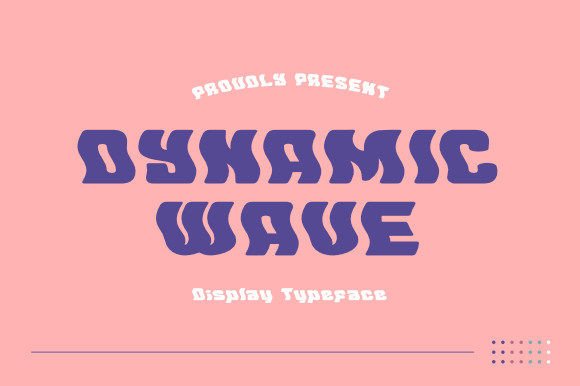
Dynamic Wave is a stylized display font that evokes the spirit of the 1960s and 70s counterculture movement. Its name alone hints at the fluidity and motion embedded in each character. The font’s letters appear to ripple and flow, creating a sense of dynamism and freedom. Unlike standard sans-serif or serif fonts used for readability in body text, Dynamic Wave is designed to be eye-catching and thematic—perfect for headlines, logos, posters, and other design elements where impact matters more than legibility.
Developed for those who appreciate both nostalgia and innovation, Dynamic Wave combines hand-drawn charm with digital precision. It features exaggerated serifs and sweeping strokes that give it a distinctive, almost musical quality. This makes it particularly well-suited for projects related to music festivals, wellness brands, vintage-inspired products, and anything with a bohemian or artistic vibe.
The Broader Industry Context
Typography is no longer just about communication—it's about storytelling and emotional resonance. In the design industry, especially within branding and marketing, there's been a noticeable shift toward using fonts that reflect cultural movements and evoke specific moods. Dynamic Wave taps into this trend by offering a visual language rooted in the past but adaptable to modern applications.
As remote work and digital content creation continue to rise, the need for versatile and expressive typefaces has never been greater. Designers are seeking tools that help them stand out in crowded online spaces while maintaining authenticity. Fonts like Dynamic Wave provide a way to visually differentiate content, whether on social media, websites, or packaging materials. They allow creators to express themes of rebellion, creativity, and individuality—values that resonate deeply in today’s market.
Trends That Make Dynamic Wave Relevant
- Retro Revival: The resurgence of 60s and 70s aesthetics across fashion, music, and design has created a demand for fonts that mirror this nostalgic appeal. Dynamic Wave fits perfectly into this revival, bringing the essence of the hippie era into contemporary visuals.
- Experiential Branding: Brands are increasingly focusing on immersive experiences rather than static messaging. A font like Dynamic Wave adds a tactile and sensory element to these experiences, helping to create memorable and engaging content.
- Minimalism Meets Maximalism: While minimalism remains dominant in many design spaces, there's also a growing appreciation for maximalist styles that embrace bold colors, patterns, and typography. Dynamic Wave bridges this gap, offering a rich visual texture without overwhelming the viewer.
Why People Are Paying Attention to Dynamic Wave
The popularity of Dynamic Wave can be attributed to several factors. First and foremost, it speaks directly to the current fascination with vintage culture. Whether through the resurgence of vinyl records, tie-dye fashion, or analog photography, there's a collective yearning for the past. Typography is a key component of this sentiment, and Dynamic Wave delivers it with a unique edge.
Secondly, Dynamic Wave appeals to a wide range of industries—from lifestyle and wellness to entertainment and education. For example, yoga studios and holistic brands use it to communicate a sense of peace and free-spiritedness. Meanwhile, music venues and festival organizers leverage its wavy form to enhance event posters and promotional materials. Even educational platforms focused on art history or cultural studies find it useful for illustrating historical contexts in a visually compelling way.
Additionally, the font’s versatility in digital formats has made it accessible to freelancers and entrepreneurs who may not have extensive design budgets. With support for multiple languages and a variety of weights (if available), Dynamic Wave can be adapted for diverse audiences and purposes. Its ability to render clearly on screens, despite its ornate style, ensures it remains functional in today’s digital-first world.
Practical Applications of Dynamic Wave
- Brand Identity: Startups and established companies alike are using Dynamic Wave to craft logos and taglines that feel authentic and culturally grounded. A boutique clothing line might pair it with earth tones and natural textures to reinforce its eco-conscious values.
- Event Promotion: Music festivals, pop-up events, and community gatherings often rely on bold, attention-grabbing fonts. Dynamic Wave helps event planners create posters and banners that stand out from the competition while setting a vibrant tone.
- Social Media Content: Marketers are leveraging Dynamic Wave in Instagram posts, YouTube thumbnails, and TikTok videos to add a touch of retro coolness. It works especially well when combined with gradients, neon effects, or hand-drawn illustrations.
- Packaging Design: For artisanal products such as organic skincare, handmade candles, or craft beer labels, Dynamic Wave brings a sense of craftsmanship and personality. It helps brands tell a story through their product visuals.
Changing Needs and Expectations in Typography
Designers today face a unique challenge: balancing originality with accessibility. Many traditional fonts fail to capture the emotional tone needed for certain projects, while overly complex ones can hinder usability. Dynamic Wave addresses this tension by offering a font that is expressive enough to convey mood yet still functional in digital environments.
Moreover, the increasing diversity of global audiences means that fonts must do more than look good—they must feel inclusive and contextually appropriate. Dynamic Wave’s playful and open-ended style allows it to transcend cultural boundaries, making it a valuable tool for international campaigns and multicultural teams.
Another shift in the industry is the move toward personalization. Consumers expect content that feels tailored to their interests and values. By using a font like Dynamic Wave, brands can align themselves with subcultures and communities that value self-expression and nonconformity. This alignment fosters deeper connections and loyalty among niche audiences.
Observations from Real-World Use
Many designers report that Dynamic Wave enhances the visual hierarchy of their layouts. Because of its high contrast and dramatic forms, it naturally draws the eye and serves as a focal point. However, it’s important to pair it with complementary fonts for body text to maintain readability.
For instance, a recent project by a digital marketing agency involved promoting a new line of sustainable home goods. They used Dynamic Wave for the headline “Live Free. Live Green.” and paired it with a clean sans-serif font for supporting copy. The result was a harmonious blend of style and substance that resonated with their target demographic.
Similarly, a wellness influencer incorporated Dynamic Wave into her YouTube intro sequence. The font added a whimsical yet authentic feel to her branding, which helped her stand out in a saturated space. Viewers responded positively, noting how the font reflected her personality and approach to health.
Dynamic Wave and the Future of Design
As we look ahead, the importance of emotional connection in design will only grow. Consumers are no longer satisfied with generic templates; they want experiences that speak to their values and aspirations. Dynamic Wave represents a forward-thinking response to this need, providing a typographic solution that is both nostalgic and innovative.
With the rise of AI-generated content and automated design tools, there's a risk of homogenization in the creative space. Fonts like Dynamic Wave counteract this by introducing human-like qualities and stylistic depth that machines struggle to replicate. As a result, they are becoming essential assets for creatives aiming to infuse their work with warmth and personality.
Furthermore, the integration of Dynamic Wave into mobile-responsive designs highlights its adaptability. Despite its intricate nature, the font maintains clarity on smaller screens when used appropriately. This responsiveness is critical for businesses that prioritize mobile engagement, ensuring their message stays strong across all platforms.
Connecting to Larger Developments
The success of Dynamic Wave is part of a larger movement toward experiential design. In architecture, interior design, and even software interfaces, there’s a push to make every interaction feel meaningful and alive. Typography is no exception. Fonts are now being evaluated not just for their visual appeal but for their ability to enhance user experience and brand storytelling.
This shift reflects broader changes in consumer behavior. People are spending more time online and expecting more from the content they consume. A font like Dynamic Wave helps bridge the gap between digital and physical experiences by adding a layer of creativity and authenticity that users can emotionally connect with.
Final Thoughts
In summary, Dynamic Wave is more than just a quirky display font—it's a symbol of the evolving relationship between typography and cultural expression. Its retro roots and modern functionality make it a powerful tool for anyone looking to make a visual statement. Whether you're designing a logo, crafting social media content, or developing a brand identity, Dynamic Wave offers a way to stand out while staying true to your vision.
As the creative landscape continues to evolve, fonts that combine style, emotion, and adaptability will remain in demand. Dynamic Wave is a prime example of how thoughtful typography can elevate design, foster brand recognition, and connect with audiences on a deeper level. So next time you’re working on a project that calls for a little extra soul, consider giving Dynamic Wave a try—you might just find that it captures the feeling you’ve been searching for.