Giant Robots: The Future of Power and Precision in Modern Technology
When you think of Giant Robots, what comes to mind? Perhaps the towering machines from classic science fiction films, or maybe the awe-inspiring mechs featured in video games. But today, Giant Robots are more than just entertainment—they represent a powerful intersection of engineering, artificial intelligence, and design that is reshaping industries and inspiring new ways to approach complex challenges.
What Are Giant Robots?
Giant Robots refer to large-scale robotic systems, often humanoid or mechanical in appearance, designed to perform tasks beyond human capability. These machines range from autonomous military prototypes to massive construction bots and even interactive entertainment devices. Their size allows for enhanced strength, reach, and impact, making them ideal for environments where traditional equipment falls short.
While many associate Giant Robots with futuristic concepts, they are increasingly becoming a reality. Companies and research institutions around the world are developing models that can walk, lift heavy objects, process sensory data, and even learn from their surroundings. With advancements in materials science and AI, these robots are evolving from rigid, clunky machines into sleek, intelligent entities that embody the spirit of modern innovation.
The Slick Sci-Fi Font Aesthetic
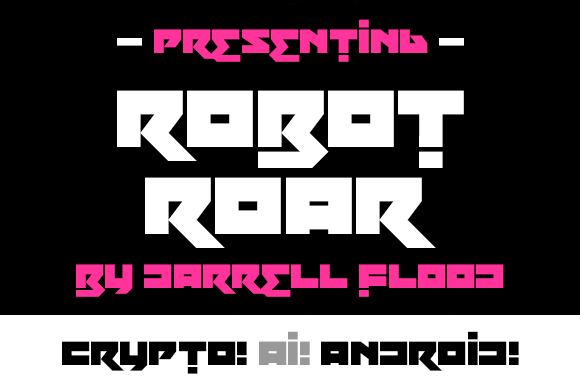
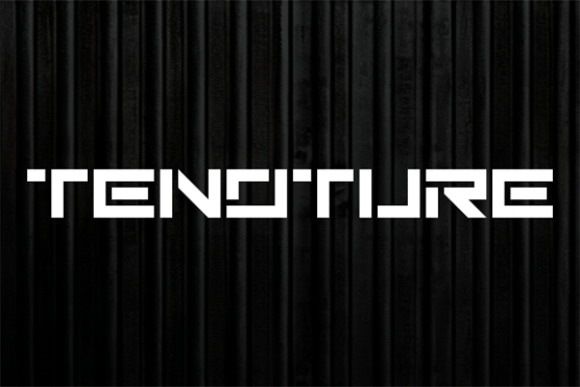
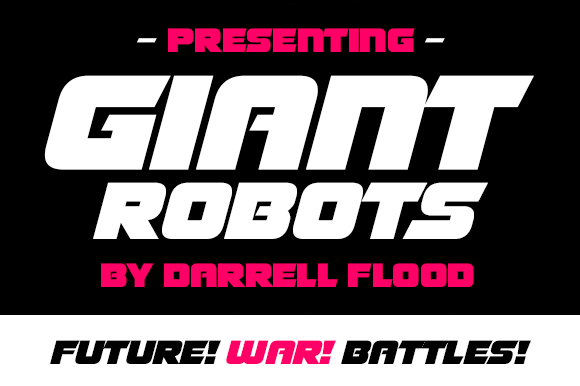
In tandem with their physical evolution, the visual identity of Giant Robots has also transformed. The use of a slick sci-fi font—modern, mixed, curved, and angled in style—has become a hallmark of how these technologies are presented in media, branding, and user interfaces. This typographic trend blends futuristic appeal with readability, making it perfect for tech presentations, space-themed designs, and general digital communication.
Whether used in promotional materials, instructional dashboards, or virtual reality environments, the right font enhances the perception of a robot as advanced and trustworthy. It's not just about looks; it’s about creating an experience that aligns with the cutting-edge nature of the technology itself.
Purposes and Features of Giant Robots
- Industrial Automation: In manufacturing and logistics, Giant Robots can handle heavy lifting, assembly line tasks, and precision operations without fatigue.
- Disaster Response: These machines are being developed to navigate hazardous terrains, deliver supplies, and assist in search-and-rescue missions during natural disasters or accidents.
- Military and Defense: Used for reconnaissance, logistics support, and combat assistance, Giant Robots offer a way to reduce human risk in volatile situations.
- Entertainment and Education: From theme park attractions to educational tools, these robots engage audiences and provide hands-on learning experiences.
Modern Giant Robots come equipped with features like real-time sensor feedback, adaptive locomotion, modular tooling, and voice recognition. Some even integrate augmented reality (AR) and machine learning to improve performance over time. These capabilities make them versatile tools across various sectors.
Design Characteristics
The design of a Giant Robot typically includes:
- Humanoid Form: Many models mimic human anatomy to leverage existing biomechanical principles and enhance interaction with human-built environments.
- Modular Components: This allows for easy upgrades, repairs, and customization depending on the task at hand.
- Advanced Mobility: Whether through bipedal walking, quadrupedal movement, or wheeled traversal, mobility is a key factor in their effectiveness.
- Integrated Intelligence: Modern units often include AI-driven decision-making, enabling them to operate semi-autonomously or adapt to dynamic conditions.
Real-World Applications and Use Cases
Giant Robots are no longer confined to the pages of comic books or the screens of movies. Here are some practical applications where they're already making an impact:
Construction and Demolition
In the construction industry, companies are testing large robotic arms and exoskeleton-like machines to assist in building skyscrapers, laying foundations, and handling demolition safely and efficiently. These robots can operate in dangerous conditions, reducing the need for human workers to be exposed to risks like falling debris or unstable structures.
Space Exploration
With NASA and private space agencies pushing the boundaries of interplanetary travel, Giant Robots are being considered for lunar and Martian missions. They could help construct habitats, move heavy cargo, and perform maintenance tasks in extreme environments. The combination of durability and precision makes them ideal for long-term missions where human presence is limited.
Search and Rescue Operations
Following earthquakes, floods, or other natural disasters, Giant Robots can enter unstable zones to locate survivors, clear rubble, or deliver emergency supplies. Their ability to carry out tasks in places too dangerous for humans is a game-changer in crisis response.
Entertainment and Public Engagement
In entertainment venues such as museums, theme parks, and conventions, Giant Robots serve as interactive exhibits. For example, animatronic robots with expressive movements and speech capabilities can educate children about robotics or act as tour guides in immersive environments. These applications help demystify technology and inspire the next generation of engineers and scientists.
Who Benefits from Giant Robots?
Professionals in multiple fields can derive significant value from Giant Robots. Here’s a closer look at who stands to benefit most:
- Engineers and Technologists: These robots offer new platforms for experimentation and development in AI, materials, and control systems.
- Business Owners: In industries requiring heavy labor, Giant Robots can increase efficiency, reduce costs, and improve safety standards.
- Government Agencies: Emergency services, defense departments, and urban planners can utilize these machines for public infrastructure and security purposes.
- Creative Professionals: Designers, artists, and developers working in film, gaming, and digital content creation can incorporate Giant Robots into their work using the sleek sci-fi fonts that bring these visions to life.
Even everyday consumers may interact with Giant Robots indirectly—for instance, through automated delivery systems or remote-controlled drones inspired by robotic design principles.
Strengths and Limitations
Despite their impressive capabilities, Giant Robots are not without limitations. Understanding both their strengths and constraints is essential when evaluating their potential for different uses.
Strengths:
- High load capacity and endurance
- Ability to perform in extreme or inaccessible environments
- Reduced human exposure to danger
- Customizable for specific tasks
Considerations and Limitations:
- High initial investment and maintenance costs
- Complex programming and integration requirements
- Energy consumption and battery life challenges
- Ethical and regulatory concerns regarding autonomy and usage
For professionals and organizations considering adoption, it's important to weigh these factors against your specific needs. Giant Robots are best suited for scenarios where their unique advantages outweigh the logistical and financial hurdles involved.
Choosing the Right Giant Robot for Your Needs
If you’re exploring the possibility of using Giant Robots in your business or project, here are some key questions to ask:
- What specific tasks do I need the robot to perform?
- Do I have the technical expertise to manage and maintain this system?
- What is my budget for deployment and ongoing operation?
- Are there any legal or ethical restrictions I should consider?
Additionally, look for solutions that are scalable and compatible with your existing workflows. Some robots can be controlled remotely or integrated with software platforms, allowing for greater flexibility. If aesthetics matter—especially in public-facing roles—a slick sci-fi font and futuristic design can enhance the overall appeal and professionalism of the system.
Examples of Successful Deployments
Several notable projects highlight the growing role of Giant Robots in the real world:
- ASIMO-inspired Mechs: Honda’s ASIMO may be retired, but its legacy lives on in larger, more specialized robots used in industrial settings.
- Titan Series Bots: Developed for disaster response, these robots can climb stairs, open doors, and carry equipment in environments damaged by earthquakes or fires.
- Robotics in Theme Parks: Disney and Universal have deployed large animatronic robots with smooth, lifelike motion to create unforgettable guest experiences.
Practical Expectations and the Road Ahead
While Giant Robots promise a future full of possibilities, it’s important to set realistic expectations. Current models are still in the early stages of development and may require extensive training, oversight, and fine-tuning before they can operate independently at scale.
Expectation management is crucial. For instance, while a Giant Robot might be able to lift tons of material, it may not yet match the dexterity or situational awareness of a trained human worker. Similarly, the slick sci-fi font used in their branding or interface may look amazing, but it must also be functional and accessible to users of all backgrounds.
However, the trajectory is promising. As AI becomes more sophisticated and materials lighter and stronger, we can anticipate more capable, efficient, and affordable Giant Robots entering the mainstream. Innovators are already working on versions that can collaborate seamlessly with humans, using gesture recognition and voice commands to facilitate teamwork in real-world settings.
How to Get Started
If you’re curious about integrating Giant Robots into your organization or creative projects, start by researching current models and their capabilities. Attend industry conferences, explore pilot programs, and consult with experts in robotics and automation. You might also want to experiment with how to present these technologies visually—using the right fonts and design elements can make a big difference in how they're perceived and understood.
Remember, the goal isn’t always to replace human effort, but to augment it. Giant Robots are tools that, when used wisely, can unlock new levels of productivity, safety, and creativity.
Conclusion
Giant Robots symbolize the fusion of form and function in modern technology. They are not only redefining what’s possible in fields like construction, space exploration, and emergency response, but also shaping how we visualize and interact with the future. Whether you're a professional seeking operational improvements, a creator looking to push design boundaries, or simply a tech enthusiast eager to stay ahead of the curve, understanding the role of Giant Robots is essential.
As the technology continues to evolve, so will our opportunities to apply it. Embrace the journey, stay informed, and consider how these mighty machines—and the sleek sci-fi fonts that accompany them—might play a part in your next big idea.