Gummy Sweet Font: A Cute and Versatile Display Type for Creative Projects
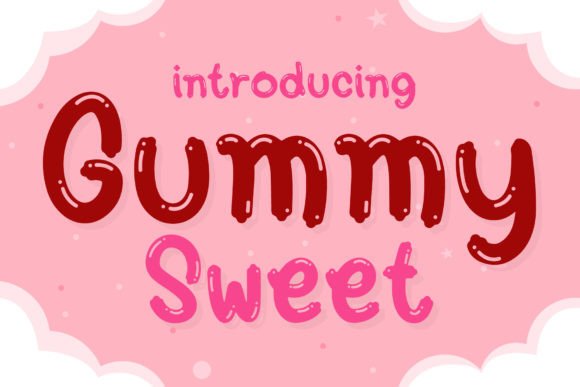
Gummy Sweet is a display font that brings a playful, approachable, and youthful energy to any design. With its rounded letters, soft curves, and informal style, it evokes the charm of handwritten text while maintaining a clean, readable form. Designed to stand out rather than blend in, Gummy Sweet is ideal for projects where personality and visual appeal are key.
What Makes Gummy Sweet Unique?
Display fonts like Gummy Sweet are crafted for specific use cases—often headlines, logos, or decorative elements—rather than body text. This font’s standout feature is its combination of cuteness and clarity. It avoids the overly childish look of some similar typefaces by balancing whimsy with legibility, making it suitable for both personal and professional applications.
The font features a consistent weight and spacing, which helps maintain readability even at smaller sizes. Its friendly appearance can add warmth and approachability to a wide range of creative outputs, from marketing materials to educational content.
Who Might Benefit from Using Gummy Sweet?
Gummy Sweet is particularly well-suited for designers working on children’s-related projects, such as storybooks, school materials, or birthday invitations. It also appeals to bloggers and content creators who want to infuse their sites with a lighthearted tone. Additionally, it can be an excellent choice for branding initiatives targeting younger audiences or those aiming to create a fun and engaging brand identity.
Graphic designers, illustrators, and small business owners may find Gummy Sweet useful when crafting logos, social media posts, advertisements, greeting cards, or promotional materials. The font adds a layer of creativity without overwhelming the message, allowing it to serve as a subtle yet effective stylistic element.
Benefits of Using Gummy Sweet
- Cute and Friendly Aesthetic: The font naturally conveys warmth and positivity, making it great for designs that aim to connect emotionally with viewers.
- Versatility Across Media: Whether used in print or digital formats, Gummy Sweet maintains its charm and functionality, adapting well to various design styles.
- Strong Visual Impact: As a display font, it draws attention and enhances the overall appeal of a design, especially when paired with complementary typography.
- Easy Integration: Many users appreciate how seamlessly it integrates into design software like Adobe Illustrator, Photoshop, or Canva, supporting quick and efficient workflows.
Considerations and Tradeoffs
While Gummy Sweet offers many advantages, it is important to consider its limitations before deciding if it fits your project. First and foremost, it is not recommended for large blocks of body text. Its playful nature makes it better suited for short phrases, headings, and accents.
Another consideration is contrast. Because it has a light, rounded character, it may not stand out enough when used alongside more aggressive or bold fonts. Designers should carefully choose color schemes and background elements to ensure the font remains legible and impactful.
Additionally, while the font is free for personal use in many cases, commercial usage often requires a license. Always verify the font’s licensing agreement before using it in paid projects to avoid potential legal issues.
When to Use Gummy Sweet
Gummy Sweet shines in situations where you want to convey a sense of fun and friendliness. For instance, it works beautifully in:
- Children’s book covers and illustrations
- Birthday party invitations and event flyers
- Blog headers or section titles with a casual vibe
- Branding for cafes, toy stores, or activity centers
- Photo albums and scrapbook layouts
- Social media graphics aimed at younger demographics
In these contexts, Gummy Sweet adds a touch of personality without compromising professionalism. It is particularly effective when used sparingly and thoughtfully, ensuring it supports the overall design rather than detracts from it.
When to Consider Alternatives
There are scenarios where Gummy Sweet might not be the best fit. If your design requires a more formal or traditional feel, a serif or sans-serif font would likely be more appropriate. Similarly, if you're working on a website or app interface that demands high readability across multiple devices, Gummy Sweet may not perform as well due to its stylized characteristics.
For multi-language support or extended character sets, it's also worth checking whether Gummy Sweet includes the necessary glyphs. Some display fonts lack comprehensive language coverage, which could limit their usefulness in international contexts.
If your target audience is older or more conservative, a more neutral font may help maintain credibility and trust. In such cases, alternatives like Open Sans, Lato, or Montserrat provide a balanced and professional look while still being modern and appealing.
Practical Tips for Working with Gummy Sweet
To make the most of Gummy Sweet in your designs, consider the following strategies:
- Pair Wisely: Combine it with a more structured base font (such as a sans-serif) to balance the layout and guide the viewer’s eye through the content.
- Use Sparingly: Limit its use to key visual elements like logos, headers, or call-to-action buttons to preserve its impact and avoid visual fatigue.
- Test Readability: Ensure the font is legible at different sizes and on various screens. While it excels in display settings, it may not work well in fine print or long paragraphs.
- Explore Color Options: Gummy Sweet looks best in bright or pastel shades, but don’t hesitate to experiment with gradients or outlines to enhance its visibility against complex backgrounds.
Final Thoughts
Gummy Sweet is a valuable addition to any designer’s toolkit, especially for projects requiring a cheerful and inviting tone. Its unique style allows it to stand out in a sea of standard fonts, making it a go-to option for creative professionals looking to add a little flair to their work.
However, it is essential to evaluate your specific needs before selecting this font. Ask yourself whether your audience will respond positively to its playful aesthetic and whether the context of your design supports its use. When applied correctly, Gummy Sweet can elevate your visuals and help you communicate your message more effectively.
Ultimately, the decision to use Gummy Sweet depends on your goals, your audience, and the overall design strategy. By understanding its strengths and limitations, you can determine if it aligns with your vision and deliver results that resonate with your intended viewers.