How to Use the Retro Boy Font in Your Design Projects
If you're looking for a font that adds charm, nostalgia, and a bold visual punch to your creative work, Retro Boy is a fantastic choice. This comical display font has quickly become a favorite among designers, artists, and hobbyists alike. With its playful yet versatile style, it’s perfect for anything from t-shirts and kids’ book designs to greeting cards, posters, and stickers. In this article, we’ll explore what makes Retro Boy stand out, how it can be used effectively, and why it fits so well into modern design workflows.
What Makes Retro Boy Unique?
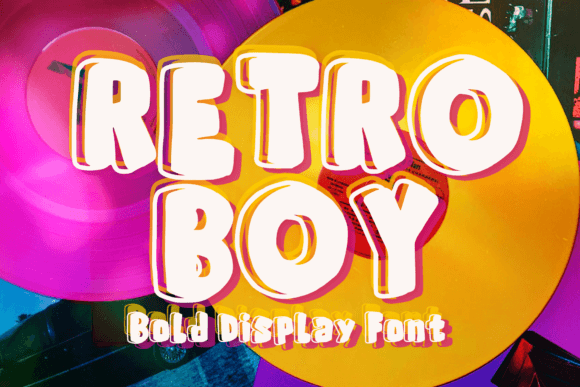
Retro Boy is more than just a font—it's an experience. Its bold character set evokes the golden age of video games and classic arcade titles, making it instantly recognizable and emotionally engaging. The exaggerated curves, pixel-like edges, and whimsical spacing give it a distinctive personality that stands apart from more traditional typefaces.
- Bold and Comical Style: Retro Boy doesn’t shy away from attention. Each letter is designed to pop with confidence, making it ideal for headlines or any text that needs to command focus.
- High Readability at Larger Sizes: While it may seem like a novelty font, Retro Boy is surprisingly readable when used in larger formats. That means it works well in signage, banners, and other large-scale print projects.
- Versatile Character Set: It includes a wide range of glyphs, punctuation marks, and special characters, allowing you to use it across multiple languages and design contexts without missing key symbols.
Design Characteristics That Make It Stand Out
The standout feature of Retro Boy is its ability to blend retro aesthetics with modern usability. The font features a slightly uneven baseline and rounded corners, reminiscent of early digital typography but refined enough for today’s standards. These characteristics make it feel both vintage and fresh, appealing to audiences who love throwback designs as well as those who appreciate contemporary creativity.
Another thing that sets it apart is its balance between playfulness and professionalism. Unlike some fonts that lean too heavily into one end of the spectrum, Retro Boy manages to be both fun and functional. This duality is especially useful when designing content that needs to appeal to younger audiences without losing credibility.
Where Can You Use Retro Boy?
Retro Boy is incredibly flexible, and its uses are only limited by your imagination. Here are some of the most common—and effective—applications for this font:
T-Shirts and Apparel Design
When it comes to clothing design, especially for casual wear, Retro Boy brings a unique flair. Its bold nature ensures that text remains legible even from a distance, while the comical tone adds a sense of humor or nostalgia depending on the theme. Whether you’re designing a retro-inspired band shirt or a playful children’s hoodie, Retro Boy can elevate the overall look and feel.
Kids' Book Illustrations and Layouts
Children’s books often rely on bright colors and engaging visuals to capture young readers’ attention. Retro Boy fits perfectly into this space with its vibrant character and easy-to-read form. It can be used for chapter titles, headings, and even dialogue boxes, helping to create a whimsical atmosphere that encourages reading.
Greeting Cards and Stationery
For greeting cards, especially those with a humorous or nostalgic twist, Retro Boy offers a great way to stand out. Its friendly and approachable look makes it suitable for birthday cards, thank-you notes, and holiday greetings. Pair it with hand-drawn illustrations or retro-style clip art for an extra layer of charm.
Posters and Print Advertising
Print advertising often benefits from high-impact typography, and Retro Boy delivers exactly that. From event flyers to promotional posters, the font helps draw the eye and convey energy. It works particularly well for themed events like retro game nights, comic conventions, or vintage festivals.
Stickers and Merchandise
Merchandise such as stickers, mugs, and phone cases thrive on bold, memorable designs. Retro Boy’s retro gaming vibe makes it an excellent fit for tech-related products or collectibles. Just imagine using it for a custom “Pixel Power” sticker—it instantly becomes a conversation starter.
Why Retro Boy Works Well in Modern Design
In today’s fast-paced design world, having a font that bridges past and present is a major advantage. Retro Boy achieves this by maintaining a clear structure and consistency while still delivering that unmistakable retro feel. It’s not just about looking back—it’s about adding depth and character to your current projects.
Many modern brands use retro elements to differentiate themselves. For example, a startup might adopt a vintage aesthetic to appear more authentic or relatable. Retro Boy supports these branding efforts by offering a typographic style that feels familiar yet fresh. It allows designers to tap into the emotional resonance of the past while staying relevant in the present.
Compatibility and Accessibility
One concern many designers have when choosing a novelty font is whether it will be accessible. Retro Boy addresses this by ensuring good contrast and clarity, even at smaller sizes. It also supports a variety of weights and styles, giving you options to adapt it for different purposes. Always consider accessibility when using stylized fonts, and Retro Boy makes it easier to do so without sacrificing its signature look.
Practical Tips for Using Retro Boy
To get the most out of Retro Boy, keep the following tips in mind:
- Use it Sparingly: Because it’s a display font, Retro Boy is best suited for short texts rather than long paragraphs. Overuse can lead to visual fatigue and reduce its effectiveness.
- Pair It with Subtle Fonts: When creating a multi-font layout, pair Retro Boy with a clean sans-serif or serif font for body text. This keeps the design balanced and maintains readability.
- Experiment with Colors: The font was originally inspired by pixelated screens, so try using bright, contrasting colors to highlight its retro essence. Neon hues, gradients, or even monochrome schemes can work wonders.
- Consider the Context: Retro Boy shines in informal settings. Use it for logos, headers, taglines, or anything that needs a casual, upbeat tone. Avoid using it in formal documents or professional reports where a more serious font would be appropriate.
Software and Platforms That Support Retro Boy
Retro Boy is widely supported across various design tools. You can find it in Adobe Photoshop, Illustrator, Canva, Figma, and other popular graphic design software. Many platforms offer free or paid versions of the font, so check availability based on your project needs.
If you're working online, consider using web-safe alternatives or converting the font to SVG for optimal performance. Always ensure you have the proper licensing if you plan to use it commercially or distribute it publicly.
Real-World Examples of Retro Boy in Action
Let’s take a look at how Retro Boy has been used in real-life scenarios:
- A local comic shop redesigned their storefront with Retro Boy for all their signages, drawing in customers with a retro gaming vibe.
- An indie game developer used the font in their title screen and marketing materials, which helped reinforce the game’s nostalgic theme.
- A craft beer company incorporated Retro Boy into their label design, creating a fun and retro aesthetic that stood out on store shelves.
These examples show how versatile the font can be. Whether it’s for a physical product or digital campaign, Retro Boy adds a unique touch that resonates with the target audience.
Choosing Between Free and Paid Versions
Before downloading Retro Boy, it’s important to understand the differences between free and paid versions. The free version is typically limited to basic Latin characters and is suitable for personal projects. However, if you're planning to use it in commercial work or need extended language support, consider investing in the full version.
Paid versions usually come with additional features like alternate glyphs, ligatures, and stylistic variations. These can be invaluable when trying to achieve a specific look or when designing for international markets.
Where to Download Retro Boy
You can find Retro Boy on several font marketplaces and websites, including Google Fonts, Adobe Fonts, and independent font foundries. Always read the licensing terms carefully before downloading to avoid legal issues later on.
Common Questions About Retro Boy
Here are a few things people often ask before using Retro Boy:
- Can I use Retro Boy for my business logo? Yes, but make sure you purchase the commercial license if needed. The font’s bold and cheerful style can help build brand identity, especially in entertainment, gaming, or lifestyle industries.
- Is it good for mobile app interfaces? Absolutely. As long as it’s used for buttons, menus, or titles, it can add a fun and engaging feel to the user interface.
- Will it work in small text sizes? Not ideally. Since it’s a display font, it’s best used for larger text. If you need to use it in smaller sizes, simplify the background and increase the stroke width for better visibility.
How to Get Creative with Retro Boy
Once you’ve downloaded Retro Boy, don’t be afraid to experiment. Here are a few ideas to spark your creativity:
- Create a retro-themed website header using the font in conjunction with pixel art graphics.
- Design a vintage-style poster for a local concert or festival, pairing the font with analog textures and color palettes.
- Make a series of social media posts with Retro Boy headlines to promote a new product launch or event.
- Try using it in animated designs or GIFs for added visual impact.
Remember, the goal isn't just to use the font—but to use it well. Think about the message you want to convey and how the font enhances that message. Sometimes less is more, especially when you're dealing with a high-contrast typeface like Retro Boy.
Combining Retro Boy with Other Design Elements
To maximize the effect of Retro Boy, consider combining it with complementary design elements. Pixel art, low-poly shapes, neon lighting effects, and CRT-style overlays can all enhance the font’s retro aesthetic. These combinations help create a cohesive visual language that tells a story beyond just the words themselves.
Also, think about how it interacts with imagery. A simple black-and-white photo with a Retro Boy headline in bright red can create a powerful contrast. Or, use it alongside vector illustrations to maintain a clean, modern edge while keeping the retro spirit alive.
Final Thoughts on Incorporating Retro Boy
Retro Boy is more than just a stylish font—it’s a tool for storytelling and engagement. Its bold, comical appearance invites interaction and can turn a simple design into something memorable. Whether you're a seasoned designer or just starting out, this font offers a fun and effective way to bring your ideas to life.
So next time you're working on a project that needs a bit of pizzazz, remember to reach for Retro Boy. Let its playful energy guide your creativity and help your designs stand out in a crowded visual landscape.