Mortale: A Vintage-Inspired Font with Modern Flair
Typography is more than just choosing a pretty font—it’s about conveying the right message, tone, and emotion. In the ever-evolving world of design, finding the perfect balance between classic charm and contemporary appeal can be challenging. That’s where Mortale steps in. This display font blends vintage lettering with modern aesthetics, making it an excellent choice for a wide range of applications. Whether you're crafting headlines, designing logos, or creating marketing materials, Mortale offers a unique visual identity that stands out while staying timeless.
What Makes Mortale Unique?
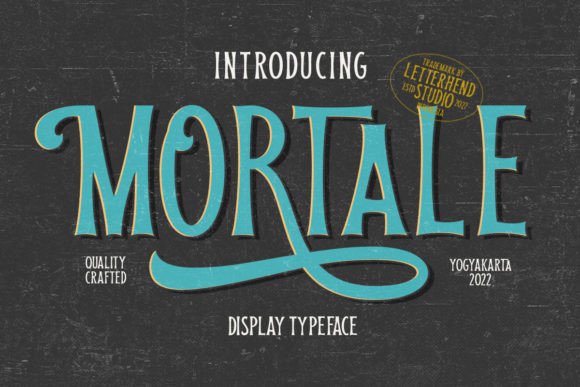
Mortale is not your average sans-serif or serif font. It’s a display typeface, meaning it’s designed to shine at larger sizes rather than serve as body text. Its roots are in vintage lettering styles—think of hand-drawn signs from yesteryear or old-school posters—but it's been refined to suit today’s design sensibilities. The result is a font that feels nostalgic yet fresh, bold yet elegant.
The character set is carefully crafted to maintain consistency across all glyphs, ensuring that each letter contributes to the overall harmony of the design. From its slightly irregular shapes to its expressive serifs, every detail in Mortale adds depth and personality. These nuances make it ideal for use cases where typography plays a central role in storytelling or branding.
Vintage Meets Contemporary Design
One of Mortale’s standout qualities is its ability to bridge two eras. The vintage influence gives it warmth and authenticity, while the modern touch ensures it remains legible and versatile in digital formats. This dual nature allows designers to create work that feels both familiar and innovative—a rare but powerful combination.
Its organic feel is especially appealing in creative industries like fashion, publishing, and advertising, where a strong visual presence is crucial. Unlike overly stylized fonts that risk becoming unreadable, Mortale maintains clarity without sacrificing character, making it suitable for both print and screen-based projects.
Real-World Applications of Mortale
Fonts are often overlooked as tools, but they can significantly impact how content is received. Mortale excels in environments where visual impact is key. Here are some practical ways professionals and creatives are using it:
- Headlines and Titles: With its eye-catching style, Mortale works wonders as a headline font. It commands attention and sets the tone for whatever follows, whether it’s a blog post, advertisement, or presentation slide.
- Logotypes and Branding: Many businesses are turning to Mortale for logo designs. The vintage-modern duality aligns well with brands that want to appear both established and forward-thinking.
- Apparel and Merchandise: On t-shirts, hoodies, or custom merchandise, Mortale adds a sense of craftsmanship and individuality. It’s particularly popular among indie fashion labels and lifestyle brands.
- Invitations and Stationery: For wedding invitations, event announcements, or personalized stationery, Mortale brings a touch of elegance and nostalgia that guests will remember.
- Packaging Design: Product packaging needs to stand out on shelves. Mortale’s distinctive look helps achieve that, especially for artisanal or heritage-inspired products.
- Advertising and Promotional Materials: Print ads, billboards, and social media graphics benefit from Mortale’s strong presence. It helps communicate a brand’s message clearly and memorably.
Why Use Mortale for Creative Projects?
Choosing the right font can elevate a project from good to great. Mortale isn’t just visually striking; it also supports effective communication by enhancing readability and emotional resonance. Its subtle imperfections mimic hand-lettered styles, which many audiences find more trustworthy and relatable compared to ultra-clean, digital-only fonts.
For bloggers and publishers, using Mortale in titles or pull quotes can add a layer of sophistication to their content. Educators might incorporate it into presentations or classroom materials to engage students with a more dynamic typographic experience. Entrepreneurs and marketers can leverage Mortale to build stronger brand identities, especially when targeting demographics that appreciate retro aesthetics or artisanal quality.
Practical Considerations When Using Mortale
While Mortale is incredibly versatile, it’s important to consider how best to integrate it into your workflow. Display fonts like Mortale are not typically used for large blocks of text due to their decorative nature. Instead, they’re most effective when used sparingly to highlight key elements.
Here are some tips to keep in mind:
- Pair with complementary fonts: Combine Mortale with a clean, minimalist font for body text to maintain readability and visual contrast. Think Helvetica or Roboto for a balanced layout.
- Use appropriate spacing: Because of its ornate details, Mortale benefits from generous line spacing and careful kerning. Avoid overcrowding characters, especially in tight compositions like logotypes.
- Test across platforms: Always preview how Mortale looks on different screens and devices. While it performs well digitally, ensure that its intricate strokes remain clear even at smaller sizes or lower resolutions.
- Consider licensing: Before deploying Mortale in commercial settings, confirm the licensing terms. Some fonts require specific permissions for use in logos or product branding.
When to Choose Mortale Over Other Fonts
Not every project calls for a vintage-style font, but when it does, Mortale is an excellent option. It shines in situations where you want to evoke a sense of history, tradition, or craftsmanship. For example, if you’re launching a new craft beer brand or redesigning a boutique hotel’s website, Mortale could help reinforce the brand’s narrative and aesthetic.
It’s also a great fit for seasonal campaigns or themed events. Picture a Halloween promotion using Mortale for the header—its dramatic curves and sturdy forms immediately convey a spooky, handcrafted vibe. Similarly, a Christmas campaign might use Mortale to give a warm, artisanal feel to holiday greetings or packaging.
Enhancing User Experience and Engagement
Designers know that user experience (UX) goes beyond functionality—it includes aesthetics and emotional response. Mortale enhances UX by creating memorable visuals that resonate with audiences. In web design, for instance, using Mortale in call-to-action buttons or section headers can guide users through content in a more engaging way.
In print media, such as magazines or newspapers, Mortale can be used to highlight feature stories or special sections. Its vintage flair adds a sense of gravitas, encouraging readers to stop and take notice. For educators, integrating Mortale into lesson plans or posters can make learning materials more visually stimulating, helping to retain student interest.
Case Studies and Real-Life Examples
Several brands have successfully leveraged Mortale to enhance their visual identity. A small coffee shop in Portland used it for their storefront signage and packaging, instantly giving them a local, artisanal feel. Another example is a music festival that incorporated Mortale into their promotional posters and wristbands, creating a cohesive and nostalgic brand image that stood out from competitors.
Freelancers who specialize in branding have reported positive feedback from clients when using Mortale in logo concepts. One designer noted that the font helped differentiate their client’s brand in a crowded market, leading to increased recognition and customer engagement.
How to Get Started with Mortale
If you’re interested in using Mortale for your next project, here are some steps to follow:
- Download or purchase the font from a trusted source. Make sure it’s compatible with your design software (e.g., Adobe Illustrator, Photoshop, or Figma).
- Experiment with color and texture. Pair Mortale with distressed backgrounds or muted tones to amplify its vintage appeal. Alternatively, use bright colors for a more modern twist.
- Create mockups to see how Mortale functions in real-world scenarios. Try it on business cards, banners, or social media posts to gauge its effectiveness.
- Get feedback from peers or target audiences. Since Mortale has a distinct style, it may not suit everyone’s taste, so early testing can help avoid missteps.
Best Practices for Implementation
Once you’ve acquired Mortale, consider these implementation strategies:
- Limit usage to key elements: As mentioned earlier, Mortale should be reserved for headlines, logos, or other focal points. Don’t overuse it in body text or navigation menus.
- Match the font to the medium: If you’re printing something like a poster, choose a high-quality paper stock to showcase Mortale’s texture. For digital use, ensure it’s embedded properly for cross-platform consistency.
- Balance with white space: Give Mortale room to breathe. Too much text crammed together can overwhelm the viewer and reduce legibility.
- Combine with photography or illustrations that reflect its style. A vintage photo paired with Mortale can create a powerful visual synergy.
Final Thoughts on Mortale’s Value
Mortale is more than just a font—it’s a design statement. By blending vintage inspiration with modern usability, it provides a tool that’s both expressive and functional. Its adaptability makes it suitable for everything from personal branding to large-scale advertising campaigns, and its unique character ensures that your work won’t blend into the background.
As with any design element, the success of Mortale depends on how well it fits the context. When used thoughtfully, it can enhance communication, strengthen brand identity, and improve user engagement. But when mismatched or overused, it can distract rather than delight. The key is to understand your audience and the purpose behind your design choices.
So whether you’re a seasoned designer or someone just starting to explore typography, Mortale is worth considering. It’s a font that speaks volumes without saying a word—perfect for those looking to leave a lasting impression.