Tarmone: A Timeless Blackletter Typeface for Modern Designers
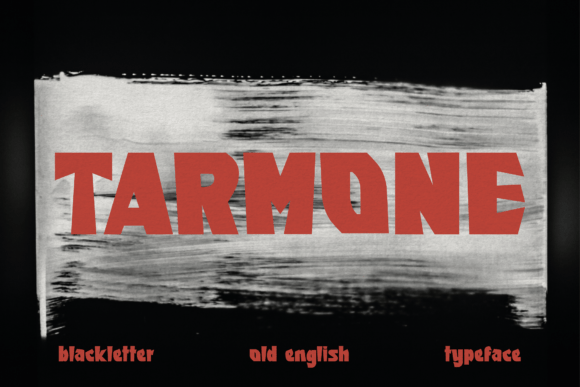
Tarmone is a striking blackletter typeface that blends the elegance of Old English typography with a contemporary flair. Originally inspired by 1800s calligraphy, it has been refined to suit modern design needs while preserving its historical charm. Whether you're crafting a poster, branding a new business, or designing a website, Tarmone offers a bold and versatile option that stands out in any visual context.
Why Tarmone Stands Out in Today’s Design Landscape
Blackletter fonts like Tarmone are often associated with tradition—think medieval manuscripts or vintage book covers. However, this font reimagines that legacy for the digital age. Its sharp serifs and structured letterforms make it ideal for headlines, logos, album art, and social media visuals. Unlike many other blackletter styles that can appear overly ornate or difficult to read at smaller sizes, Tarmone maintains clarity and impact across a range of applications.
Designers and entrepreneurs who want to evoke a sense of heritage, authority, or uniqueness without sacrificing legibility will find Tarmone especially appealing. It works well for industries such as publishing, fashion, entertainment, and even legal or academic branding where a touch of gravitas is needed.
Common Mistakes When Choosing and Using Tarmone
While Tarmone is a powerful design tool, there are several pitfalls users may encounter when selecting or applying it:
- Overlooking Readability: Many people assume all blackletter fonts are suitable for body text, but Tarmone's complex shapes and strokes can become hard to read in long paragraphs. This can undermine your message, especially if the content is dense or needs to be quickly scanned.
- Mismatched Color Schemes: The contrast between Tarmone’s dark, heavy lines and lighter backgrounds is key to its visual appeal. Failing to pair it with appropriate colors can lead to poor visibility or an unbalanced composition.
- Ignoring Kerning and Spacing: Blackletter fonts naturally have uneven spacing due to their structure. If not adjusted properly, Tarmone might look cramped or awkward, especially in titles or headings.
- Using It Without Context: Tarmone can easily clash with certain themes or audiences. For example, using it in a minimalist tech startup logo could create a disconnect rather than cohesion.
How These Mistakes Can Impact Your Design
Choosing Tarmone without considering its limitations can affect the overall quality and effectiveness of your project. Poor readability in body text may frustrate readers, leading to higher bounce rates on websites or lower engagement on posters. Similarly, improper color pairing can make your design appear unprofessional or visually jarring.
In branding, using Tarmone in the wrong context may confuse your audience about your brand identity. A strong, confident font like Tarmone should support—not contradict—the message you’re trying to convey. Misjudging how it interacts with other design elements can also reduce the visual harmony of your layout.
Practical Advice for Better Use of Tarmone
To get the most out of Tarmone, consider the following best practices:
- Use It Sparingly: Reserve Tarmone for headlines, logos, or short impactful phrases. Avoid using it for extended blocks of text unless you're aiming for a specific stylistic effect.
- Test Different Color Combinations: Before finalizing your design, experiment with various background and text colors. Darker shades of gray or navy blue often work better than pure black for subtlety and contrast.
- Adjust Kerning and Tracking: Because of its decorative nature, Tarmone benefits from manual adjustments to spacing. In graphic design software like Adobe Illustrator or Photoshop, tweak kerning between letters to improve balance and aesthetics.
- Pair It With Complementary Fonts: To avoid overwhelming the reader, combine Tarmone with simpler sans-serif or serif fonts for body copy. This helps maintain hierarchy and ensures your message is clear and digestible.
- Consider Cultural and Historical Associations: Blackletter fonts are rich in history and often carry associations with German typography, religious texts, or old-world branding. Ensure these connotations align with your intended message and target audience.
Realistic Examples of Tarmone in Action
Tarmone shines when used in the right settings. Here are a few examples:
- Branding: A craft brewery named "Old Root" uses Tarmone for its logo and bottle labels, giving it a rustic and authentic feel that appeals to beer enthusiasts looking for something traditional yet modern.
- Album Covers: Indie bands often use Tarmone for vinyl jackets and promotional materials to add a vintage, artistic touch that resonates with fans of folk or acoustic music.
- Apparel Design: A clothing line focused on heritage and sustainability incorporates Tarmone into its tagline on t-shirts and hoodies. The font adds character without being too loud or distracting.
- Web Design: A law firm’s homepage features Tarmone in the header to emphasize trustworthiness and experience. The rest of the site uses clean, easy-to-read fonts to maintain professionalism and accessibility.
What to Check Before Committing to Tarmone
Before downloading or purchasing Tarmone, ask yourself the following questions to ensure it fits your needs:
- Will my audience perceive Tarmone as stylish or outdated?
- Do I need high legibility for body text, or is it just for accents and headlines?
- Is there enough contrast between the font and the background color?
- Can I adjust spacing and alignment to match my design’s flow?
- Does Tarmone support the languages and characters I need (e.g., accented letters, special symbols)?
By answering these questions honestly, you’ll avoid common missteps and choose a font that enhances your message rather than complicating it.
Alternatives and When to Consider Them
Tarmone is a unique choice, but it’s important to know when another font might serve your purpose better. For instance, if you're working on a children’s book or a casual blog, more playful or readable fonts like Lato, Montserrat, or Georgia would likely be a better fit. On the other hand, if you're creating a luxury brand identity or a dramatic movie poster, Tarmone can provide that extra edge.
Comparing Tarmone with similar blackletter fonts like Goudy Old Style or Caslon Antique can help you decide which one aligns best with your project. Look beyond aesthetics and evaluate factors like licensing, character set, and technical performance in your chosen design platform.
Getting Started with Tarmone
If you’ve decided Tarmone is the right choice for your project, the next step is to acquire it. You can download or purchase Tarmone from trusted font foundries or marketplaces like Adobe Fonts, Google Fonts, or specialized sites like MyFonts or FontBundles. Always verify the license terms to ensure it supports your intended use case—especially if you're planning to use it commercially or across multiple platforms.
Once installed, start experimenting with it in your designs. Test it on different screen sizes and print formats to see how it performs. Don’t hesitate to layer it with textures or gradients for added depth, but keep the focus on usability and clarity.
Conclusion
Tarmone is a remarkable blend of Old English tradition and modern design sensibilities. When used thoughtfully, it can elevate your projects and leave a lasting impression. However, its distinctive style requires careful consideration to avoid misapplication. By understanding its strengths and limitations, you can harness Tarmone to create compelling visuals that resonate with your audience.
So whether you're designing a brand, crafting a poster, or enhancing a web page, take the time to explore how Tarmone can enrich your work. With the right approach, you'll find it to be a valuable addition to your typographic toolkit.