White Sox: A Font for Urban Creativity
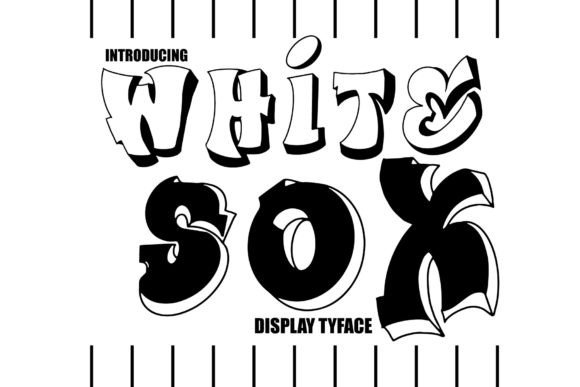
The White Sox font is more than just a typeface—it’s a statement. Designed with a bold, outlined aesthetic, this display font brings an urban flair to any project. Its structured yet casual look makes it perfect for branding, signage, digital content, and creative media where visual impact matters. Whether you're a designer, marketer, or content creator, White Sox can help you stand out in a crowded space.
What Makes White Sox Unique?
At first glance, the White Sox font captures attention with its clean lines and strong contrast. The outlined style gives it a modern edge while maintaining readability at larger sizes. This balance of form and function makes it versatile enough for both print and digital use. Unlike many other fonts that lean too heavily on trends, White Sox retains a timeless quality that works across multiple design styles.
One of the key features of White Sox is its adaptability. It pairs well with minimalist layouts, but also holds its own in more complex compositions. The font’s geometry and spacing are carefully crafted to ensure clarity, even when used creatively—such as in gradients, overlays, or layered text effects.
Urban Style Meets Practical Design
While it may seem like a purely decorative font, White Sox is surprisingly functional in the right context. Its structure allows it to be legible from a distance, making it ideal for headlines, posters, and banners. The subtle variations in stroke weight add depth without overwhelming the viewer. This thoughtful design ensures that your message remains clear, even when styled boldly.
Applications of White Sox in Creative Projects
Fonts shape how we perceive information, and White Sox is no exception. Here are some practical ways you can incorporate this font into your work:
- Branding and Logos: Use White Sox to craft a brand identity that speaks to youth culture, streetwear, or contemporary businesses. Its edgy appearance adds personality to logos and taglines.
- Event Signage: From music festivals to pop-up shops, this font helps create eye-catching signs that reflect an energetic vibe.
- Social Media Content: Boost engagement by using White Sox in posts, covers, or promotional graphics. Its boldness grabs attention quickly, which is essential in fast-scrolling feeds.
- Merchandise and Apparel: Add it to t-shirts, hoodies, or accessories for a stylish, readable look that complements urban aesthetics.
- Poster Design: Ideal for concert flyers, product launches, or community events. The outlined nature makes it easy to customize with colors, shadows, or textures.
Real-World Examples
Imagine a local coffee shop aiming to attract a younger demographic. By using White Sox in their storefront sign and social media headers, they instantly create a modern, approachable image. Or picture a music festival flyer where the event name is rendered in White Sox with a vibrant gradient background—this combination screams energy and creativity.
How Different Audiences Can Use White Sox
Designers, marketers, educators, and small business owners all have unique needs. Fortunately, White Sox offers something for everyone. Let's break down how different professionals can benefit from this font:
For Designers and Creators
Graphic designers working on editorial projects, such as zines or independent magazines, will appreciate how White Sox adds character without sacrificing professionalism. When paired with a sans-serif body font, it creates a striking contrast that guides the reader through the layout.
Freelancers can use White Sox to develop a signature style in client presentations or portfolio websites. It’s a great way to showcase creativity while staying grounded in good typography practices.
For Marketers and Entrepreneurs
Marketing teams often need to communicate bold messages in a short amount of time. White Sox can help reinforce a campaign’s tone—whether it’s edgy, youthful, or simply unforgettable. Think about using it in email headers, ad banners, or landing pages where the goal is to stop users in their tracks.
Entrepreneurs launching a new product in the lifestyle or fashion niche might consider integrating White Sox into packaging or promotional materials. It conveys confidence and a modern sensibility that resonates with today’s consumers.
For Bloggers and Educators
Blogs focused on urban culture, tech, or lifestyle content can use White Sox to highlight section titles or pull quotes. Just be sure to limit its usage to avoid overwhelming readers with too much stylized text.
Teachers and educators can apply it in classroom materials or online courses for topics related to graphic design, marketing, or art history. It serves as a visual example of how typefaces influence perception and engagement.
Styling Tips for Using White Sox Effectively
To get the most out of White Sox, it’s important to understand how to style it properly. Here are some recommendations to keep your designs sharp and impactful:
- Use it Sparingly: Because it’s a display font, overusing it can make your design feel cluttered. Save it for headlines or call-to-action buttons.
- Play With Color: Don’t be afraid to experiment with bright hues or muted tones. The outlined style makes it adaptable to both extremes.
- Layer It Thoughtfully: Combine it with other fonts for contrast. Try pairing it with a simple sans-serif or serif typeface to guide the hierarchy of your layout.
- Consider Backgrounds: Since it has an outlined structure, it performs best on solid or high-contrast backgrounds. Avoid busy patterns unless you’re intentional with layering and spacing.
- Customize for Impact: Add effects like drop shadows, outlines, or texture overlays to enhance its urban appeal. These tweaks can give your design a fresh, modern look.
Consistency is Key
Even with its bold presence, consistency is crucial. Stick to one or two color variations of White Sox within a single project to maintain cohesion. If you're using it in a website or app, define specific use cases—like navigation menus or feature headings—to ensure it doesn’t become distracting.
Where to Find and How to Use White Sox
Using White Sox in your projects is straightforward once you’ve found it. You can typically download it from trusted font marketplaces like Adobe Fonts, Google Fonts, or specialized platforms like Font Squirrel or Creative Market. Always verify licensing details before using it commercially.
Once installed, you can access White Sox through design software like Photoshop, Illustrator, or InDesign. For web developers and bloggers, embedding it via CSS is a quick way to elevate the visual tone of a site. Here’s a simple example:
@import url('https://fonts.googleapis.com/css2?family=White+Sox&display=swap');

}
This code imports the font and applies it to your site’s body text. However, remember to reserve it for display purposes only, not for body copy.
Pairing Recommendations
To keep your designs balanced, pair White Sox with complementary fonts. Some great options include:
- Montserrat – Clean and modern, perfect for contrasting with White Sox in a minimalist layout.
- Raleway – Adds elegance when used alongside the bolder White Sox in branding projects.
- Roboto – Offers a neutral base for digital interfaces where White Sox can serve as the headline font.
Inspiration for Using White Sox in New Ways
Think beyond the obvious uses. Here are some creative directions you can explore with White Sox:
1. Digital Art and Illustrations
Integrate White Sox into digital illustrations or collages. Use it to label sections of artwork, create title cards for videos, or add typographic elements to motion graphics. The outlined style works especially well with hand-drawn textures or abstract shapes.
2. Packaging and Labels
For indie brands or small businesses, White Sox can make product labels pop. Consider using it for limited-edition items or seasonal promotions where a dynamic font enhances the sense of urgency or exclusivity.
3. Infographics and Data Visualization
Infographics thrive on visual hierarchy. Use White Sox for major headings or key data points to draw the viewer’s eye. Pair it with softer secondary fonts for subheadings and descriptions to maintain clarity.
4. Print and Merch Designs
From skateboard decks to tote bags, White Sox can inject personality into physical products. Make sure to test it in black and white as well as full color to see how it translates across mediums.
Maintaining Originality and Clarity
With so many fonts available, standing out requires originality. While White Sox is visually engaging, it’s up to you to use it in a way that reflects your unique voice. Consider customizing the font with ligatures, alternate characters, or stylistic sets if available. These small changes can make a big difference in how your design feels.
Also, always prioritize clarity over aesthetics. Even though White Sox is bold and stylish, your audience should still be able to read it easily. Test it at various sizes and distances to ensure it maintains legibility wherever it appears.
Audience-Friendly Typography
Remember who you're designing for. If your audience includes older demographics or prefers formal communication, use White Sox cautiously. It’s better suited for younger audiences or contexts where a trendy, urban feel is appropriate. On the other hand, if your target group enjoys expressive visuals, this font can become a powerful tool in your arsenal.
Final Thoughts
White Sox is more than just another cool font—it’s a bridge between creativity and clarity. Its outlined display style invites experimentation while still serving practical design needs. Whether you're building a brand, creating event materials, or enhancing your blog, this font offers a fresh perspective that aligns with modern tastes.
By understanding its strengths and limitations, you can integrate it into your workflow effectively. So next time you're looking for a typeface that combines urban style with usability, give White Sox a try. Your audience might just thank you for the bold choice.