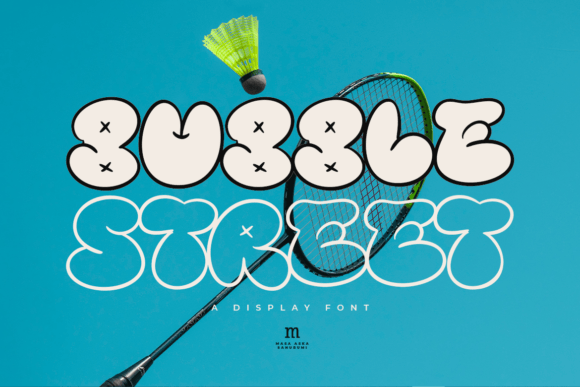
Bubble Street: A Playful Font That Elevates Your Designs
If you're looking for a font that can turn an ordinary design into something eye-catching and memorable, Bubble Street might just be the one. This stylish and playful display font has become a favorite among designers who want to add personality and flair to their work. With its unique character set and bold presence, Bubble Street isn’t just another typeface—it’s a creative tool that brings energy and charm to a wide range of projects.
What Makes Bubble Street Special?
Bubble Street stands out with its soft, rounded edges and whimsical style. It feels like it was born from hand-drawn letters, giving it a friendly and approachable vibe. Unlike more formal fonts that convey professionalism or seriousness, this one leans into fun without losing its readability. The spacing between characters is generous, making it perfect for headlines, logos, or any design where legibility at a glance is key.
Real-World Use Cases
- Branding and Logos: For businesses in industries like food, fashion, or entertainment, Bubble Street can help create a brand identity that's both modern and inviting. Think about a bakery using it on their logo—sweet, bubbly, and just as comforting as a fresh cupcake.
- Event Posters and Invitations: Whether it's a birthday party, music festival, or product launch, this font adds a sense of excitement and playfulness. Its bold nature ensures your event title won't get lost in the crowd.
- Social Media Content: In the fast-paced world of Instagram, Facebook, or TikTok, visuals need to grab attention quickly. Using Bubble Street in graphics or text overlays can make your posts pop and stand out in feeds filled with static content.
- Apparel and Merchandise: Fashion brands, especially those targeting younger audiences, often use quirky fonts to express their style. T-shirts, hoodies, and promotional gear with Bubble Street text feel trendy and contemporary.
- Children's Products: From book covers to toy packaging, this font naturally fits designs aimed at kids. Its friendly curves are visually appealing and encourage engagement, which is crucial when designing for young audiences.
- Creative Projects and Artwork: If you're working on digital art, murals, or even illustrations, Bubble Street offers a great way to incorporate text that complements the overall aesthetic without overshadowing it.
Who Can Benefit from Bubble Street?
The beauty of Bubble Street lies in its versatility. Different users find value in it based on their needs and preferences. Here's how some common professionals and creatives can leverage it:
Graphic Designers
For graphic designers, especially those working on branding or marketing materials, Bubble Street provides an easy way to inject creativity into their layouts. It works particularly well when paired with minimalist or modern typography to balance the design. You’ll often see it used in contrast with sans-serif fonts to highlight key messages or titles.
Marketing Teams
Marketing teams love it for campaigns that require a lighthearted or joyful tone. Whether promoting a new toy line, a summer sale, or a family-friendly event, Bubble Street helps communicate warmth and enthusiasm. Its visual appeal makes it ideal for capturing attention on billboards, flyers, or website banners.
Educators and Presenters
Teachers and presenters who want to keep their slides engaging for students or young attendees may find Bubble Street useful for headings and callouts. While it's not recommended for large blocks of text, it shines when used to emphasize important points or introduce topics in a fun way.
Content Creators
YouTube thumbnails, podcast cover art, and Instagram stories are all spaces where first impressions matter. Content creators can use Bubble Street to craft titles that feel lively and dynamic. Just a few words in this font can transform a dull thumbnail into something worth clicking.
Entrepreneurs and Startups
New businesses often look for ways to stand out. Bubble Street gives them that extra edge by helping them create logos and slogans that resonate emotionally with customers. It’s especially effective for startups in casual or lifestyle niches, such as wellness, fitness, or eco-friendly products.
When to Use Bubble Street (And When Not To)
Like any font, Bubble Street has its best-fit scenarios. Here are a few tips to guide its use effectively:
Use It For...
- Headlines and subheadings in print and digital media
- Logos for brands with a youthful or cheerful image
- Short phrases in posters, banners, and advertisements
- Titles in presentations or educational materials
- Merchandise such as t-shirts, mugs, and stickers
Avoid Using It For...
- Long paragraphs or body text—its playful nature isn't suited for extended reading
- High-security documents or legal contracts—where clarity and formality are essential
- Professional resumes or business proposals—unless the brand specifically calls for it
- Designs requiring high contrast against busy backgrounds
Choosing the Right Color and Background
To maximize the impact of Bubble Street, consider how it interacts with color and background elements. Since it has a light and airy feel, it pairs well with solid colors or simple gradients. Darker shades of blue, green, or red often complement its style, but don’t hesitate to experiment with pastels or neon tones if your project demands a vibrant look.
On the flip side, avoid placing it over complex or highly textured backgrounds unless you have enough contrast to ensure it remains legible. White or very light-colored fonts tend to work best for most applications, especially when visibility is a priority.
Pairing Bubble Street with Other Fonts
Display fonts like Bubble Street are typically used in short bursts, so they’re best paired with more readable fonts for the supporting text. Common pairings include:
- Sans-serif fonts: Clean and modern options like Montserrat or Open Sans provide a good contrast while maintaining readability.
- Script fonts: For a more personal touch, pairing it with a cursive or handwritten-style font can add depth and interest to the layout.
- Classic serif fonts: These can give a sense of tradition or elegance when combined with Bubble Street’s playful edge. Try Georgia or Garamond for a balanced composition.
Always test different combinations before finalizing your design. The goal is to maintain harmony while letting each font serve its purpose clearly.
Accessibility Considerations
While Bubble Street looks fantastic, it’s important to remember that accessibility should never be compromised. Because it’s a decorative display font, it shouldn’t be used for body text or anything that requires prolonged reading. Additionally, when using it online, ensure there’s sufficient color contrast for users with visual impairments. Tools like WebAIM’s Contrast Checker can help verify that your design meets WCAG standards.
Also, consider providing alternative text descriptions for images containing the font, especially in web-based contexts. This way, screen readers can still convey the message accurately, even if the font itself isn’t accessible.
Where to Download and How to Use It
You can download Bubble Street from various font marketplaces such as Adobe Fonts, Google Fonts, or specialized sites like Creative Market and MyFonts. Always check licensing terms to confirm whether it can be used commercially or across multiple platforms.
Once installed, you can start using it in your favorite design software like Photoshop, Illustrator, Figma, or Canva. Most platforms support custom font uploads, making it easy to integrate into your workflow. Don’t forget to back up your files and organize your font library so it’s ready whenever inspiration strikes.
Final Thoughts
Bubble Street is more than just a font—it’s a statement. Whether you're crafting a logo, designing an invitation, or sprucing up a social media post, this typeface can bring a unique energy to your work. Its charm lies in its simplicity and boldness, making it a go-to choice for many creatives.
However, it’s not a one-size-fits-all solution. Understanding its strengths and limitations will help you use it effectively and avoid common pitfalls. By considering context, audience, and design goals, you can unlock its full potential and create visuals that truly stand out.