Creation: A Font for Purposeful Design and Strategic Branding
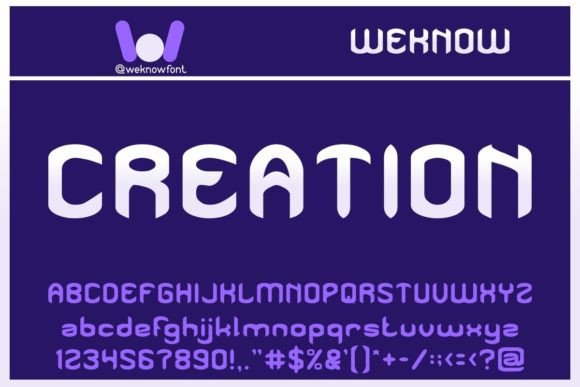
Creation is more than just a font—it's a design choice that speaks to intention, identity, and impact. As a modern Gothic display typeface, it blends the bold, dramatic elements of traditional Gothic lettering with clean, contemporary strokes and proportions. This unique balance makes Creation particularly valuable for professionals in branding, marketing, creative industries, and beyond who seek to make visual statements that are both striking and strategic.
Why Choose Creation for Your Projects?
In an age where first impressions are made in milliseconds, typography plays a crucial role in how audiences perceive your message. Creation offers a distinctive look that can help your brand or project stand out without compromising readability. Its structured yet expressive nature allows it to convey authority, creativity, and innovation simultaneously—three qualities that are essential in today’s competitive landscape.
Whether you're designing a logo for a startup, crafting headlines for a digital campaign, or creating posters for a music event, the right font can elevate your content from forgettable to unforgettable. That’s where Creation shines. It provides a strong visual anchor that aligns well with high-impact applications such as corporate identities, apparel labels, magazine covers, and even YouTube thumbnails or Instagram posts.
Strategic Use in Brand Identity
For entrepreneurs and small business owners, choosing a font like Creation can be a strategic move in building a brand identity. The font’s gothic roots evoke a sense of history and depth, while its modern adaptations signal progress and relevance. When used thoughtfully, it can become a key component of your visual language, reinforcing brand personality and messaging across all touchpoints.
- Logo Design: Creation adds a sophisticated edge to logos, especially for brands in fashion, technology, or entertainment sectors that want to project a modern-yet-timeless image.
- Corporate Communication: In presentations or reports, using Creation sparingly can emphasize key points and create a hierarchy that guides the viewer’s attention effectively.
- Digital Presence: On platforms like Instagram or YouTube, the font can enhance visibility by cutting through the visual noise with its bold character and contrast.
When and How to Use Creation Effectively
While Creation is visually compelling, its effectiveness depends on how it’s applied. Here are some practical considerations to guide your use of this typeface:
- Define Your Message First: Before selecting Creation, ask yourself what tone you want to set. Is it serious? Playful? Innovative? The font works best when it aligns with your core message and brand values.
- Consider the Context: Evaluate the platform or medium where the font will appear. For example, Creation may not be ideal for body text due to its ornate style, but it excels in headlines, taglines, and signage.
- Pair Thoughtfully: To maintain visual harmony, pair Creation with simpler, sans-serif fonts for supporting text. This contrast helps highlight the importance of the headline or title while ensuring legibility elsewhere.
Let’s consider a real-world example. An indie game studio launching a fantasy-themed title might use Creation for their main logo to evoke a sense of epic storytelling and grandeur. Meanwhile, a boutique clothing line could leverage the font in promotional materials to suggest a blend of classic craftsmanship and modern aesthetics. These choices are deliberate—they support the brand’s positioning and resonate with target audiences.
Creation in Creative Industries
For creators in the arts, media, and entertainment fields, Creation can serve as a powerful tool. Its ability to command attention makes it ideal for movie titles, comic book covers, and album art. Designers working on book jackets or magazine layouts often need a font that balances form and function, and Creation delivers on both counts.
However, it’s important to avoid overuse. If every element of a poster or website uses Creation, the effect can be overwhelming and counterproductive. Instead, use it as a focal point—on headlines, logotypes, or key phrases—and let it work in tandem with other design elements to create a cohesive look.
Planning Ahead: Integrating Creation into Your Workflow
Successful integration of Creation begins with planning. Start by mapping out where and how you’ll use the font within your design ecosystem. Ask questions like:
- What platforms or mediums require high visual impact?
- How does Creation fit into my existing color palette and layout structure?
- Will the font remain legible at smaller sizes or in different formats (e.g., mobile vs. desktop)?
By answering these questions upfront, you can ensure that your use of Creation supports rather than hinders your communication goals. One practical tip is to limit its use to no more than 20% of your overall typographic content. This preserves clarity while still leveraging its stylistic strengths.
Long-Term Value and Consistency
Consistency is key in any branding effort. Once you’ve decided to use Creation, apply it consistently across all relevant assets—website headers, social media banners, packaging designs, and more. This reinforces brand recognition and builds trust with your audience over time.
Freelancers and educators can also benefit from using Creation in portfolio presentations or course materials. It adds a professional polish that can make a lasting impression, especially in disciplines like graphic design, illustration, or web development where aesthetics play a significant role.
Potential Risks of Using Creation Without Strategy
Despite its versatility, Creation isn’t a one-size-fits-all solution. One common risk is using it without considering the context or audience. For instance, a tech startup targeting young professionals might find the font too heavy or outdated if it doesn’t match the overall brand aesthetic.
Another pitfall is failing to adapt the font to different environments. Creation may look fantastic on a large billboard but could lose its clarity on a smartphone screen if not properly optimized. Always test how it appears across various devices and resolutions before finalizing its use.
Moreover, relying solely on Creation without thoughtful planning can lead to a disjointed visual experience. It should complement—not overshadow—your message. Consider how it interacts with imagery, spacing, and color to maintain a balanced and effective design.
Using Creation Intentionally
To avoid these risks, start with a clear objective. What do you want your design to communicate? Who is the intended audience? Where will it be seen most frequently? Once you have answers to these questions, evaluate whether Creation fits the narrative you’re trying to build.
For instance, if you’re designing a motivational poster for a wellness brand, Creation can add gravitas to the headline “Rise and Thrive.” But if the rest of the poster uses similar heavy fonts, the result might feel cluttered. Instead, use Creation for the title and switch to a softer, more readable font for the supporting text.
Practical Applications Across Industries
Creation’s flexibility means it can be adapted to suit a wide range of industries and purposes. Below are some specific use cases where the font can deliver measurable value:
- Apparel Industry: Use Creation for brand names on clothing tags, packaging, or storefront displays to create a memorable and stylish impression.
- Music and Movies: Apply it to album titles, film posters, or streaming thumbnails to attract attention and evoke emotion.
- Magazines and Books: Employ it in cover designs or chapter headings to establish a premium feel and draw readers in.
- YouTube and Instagram: Incorporate it into channel art, captions, or branded content to enhance visual appeal and reinforce your content’s theme.
Take the case of a new podcast focusing on historical narratives. By using Creation in the show’s title and episode descriptions, the designer communicates both the weight of history and the freshness of the content. This dual message can be particularly effective in attracting listeners who appreciate depth and originality.
Operational and Customer Experience Benefits
From an operational standpoint, having a consistent and recognizable font like Creation can streamline your design process. You’ll reduce the need to experiment with multiple typefaces, saving time and resources. Additionally, it enhances the customer experience by providing a unified and professional look across all your materials, which can increase engagement and retention.
Marketing teams can use Creation to unify campaigns around a single, impactful visual theme. Whether it’s a product launch, seasonal promotion, or event announcement, the font can help maintain a cohesive brand presence that resonates with your audience.
Learning Through Application
Designers and marketers can learn a great deal about their audience and their own brand by experimenting with Creation in controlled settings. Try it in a few key areas—like your company’s website header or a social media post—and observe how users respond. Do they engage more? Does the message feel stronger? Use these insights to refine your approach and maximize the font’s potential.
Education and training materials can also benefit from strategic use of Creation. Educators in design, branding, or communications courses can demonstrate how the font affects perception and usability. Students gain hands-on experience making informed typographic choices, which is invaluable in developing critical thinking skills.
Decision-Making Guidance for Designers
Here’s a simple decision-making framework for determining if Creation is the right font for your next project:
- Assess the Project Type: Is it a logo, a poster, a website, or something else? Each has different typographic needs.
- Evaluate the Audience: Will the font appeal to your target demographic? Consider cultural and generational preferences.
- Test for Legibility: Make sure it remains readable in the size and format it will be used in.
- Align with Brand Tone: Ensure the font reflects the personality and values of your brand or message.
This methodical approach ensures that your use of Creation is intentional and results-oriented. It avoids the trap of using a font simply because it looks good, and instead focuses on how it can contribute to your broader objectives.
Final Thoughts on Typographic Strategy
Typography is a foundational element of design strategy. With a font like Creation, you have the opportunity to craft visuals that are both aesthetically engaging and strategically sound. However, its success hinges on how well it aligns with your goals, audience, and execution plan.
Entrepreneurs, marketers, and creatives who take the time to understand their typographic tools—like Creation—are better positioned to make impactful decisions. They can turn fonts into assets that support long-term outcomes, from improved branding to enhanced customer experiences.
So, when you’re ready to bring a new level of sophistication and purpose to your projects, consider Creation not just as a font, but as a strategic partner in your creative journey.