Domino Brick: A Strategic Display Font for Purposeful Design
Fonts are more than just letters on a page—they are tools of communication, branding, and emotional resonance. Choosing the right typeface can mean the difference between a design that feels intentional and one that appears haphazard. Among the many display fonts available today, Domino Brick stands out as a unique and versatile option with a distinct personality. Its cheerful and playful nature makes it particularly effective in designs targeting children or aiming to convey warmth and approachability. But beyond aesthetics, Domino Brick offers strategic value when used thoughtfully across various creative and business applications.
The Personality Behind the Font
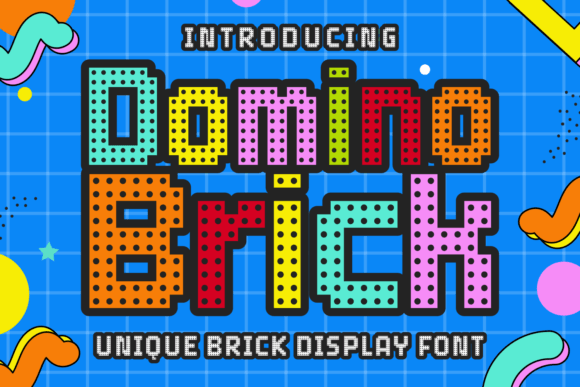
Domino Brick is a hand-drawn-style font inspired by the bold simplicity of domino tiles. Each character mimics the visual rhythm and spacing of numbers on dominoes, giving it a quirky yet structured feel. This duality—playful but not chaotic—is what makes it so appealing for designers who want to add character without compromising readability.
Unlike overly stylized fonts that can become difficult to read at smaller sizes or in certain contexts, Domino Brick maintains legibility even in dynamic compositions. Its block-like appearance creates a sense of stability, while its rounded edges and spacing inject a touch of whimsy. This balance makes it especially suitable for projects where you want to evoke a friendly, engaging tone without losing professionalism.
Strategic Use in Branding and Communication
In branding, the visual elements you choose communicate your values before a single word is read. For businesses targeting families, educational content, or child-friendly products, using a font like Domino Brick can help establish an identity that’s both memorable and emotionally resonant. It signals creativity, fun, and accessibility—all key traits in connecting with younger audiences or those seeking lighthearted experiences.
- Children's Products: Think about packaging for toys, books, or snacks. Domino Brick adds a layer of charm that can make your product stand out on crowded shelves.
- Event Invitations: Whether it’s a birthday party, a family gathering, or a school event, this font helps create excitement through its energetic vibe.
- Educational Materials: For teachers or creators designing worksheets, flashcards, or learning apps, Domino Brick can enhance engagement without being distracting.
Planning Your Font Strategy
To leverage Domino Brick effectively, start by defining your design goals. Ask yourself: What emotion am I trying to evoke? What audience am I speaking to? Where will this be viewed—online, in print, or both?
Once you’ve established these answers, consider how Domino Brick aligns with them. For instance, if you're creating a website for a children's clothing brand, using this font in headlines or call-to-action buttons can reinforce the playful and caring nature of your offerings. Pair it with bright colors like yellows, blues, and greens to amplify its positive impact.
Use Cases Across Industries
While Domino Brick is often associated with children-related content, its appeal stretches into other domains when applied with intention:
- Freelance Creators: If you’re a designer or illustrator working on logos, posters, or social media content, this font can be a valuable part of your toolkit. It brings a fresh perspective to otherwise standard layouts.
- Entrepreneurs & Startups: For startups looking to build a distinctive brand identity, Domino Brick can serve as a differentiator in early-stage marketing materials, such as pitch decks or landing pages.
- Nonprofits and Community Projects: When promoting initiatives for youth education or family-oriented events, this font can help foster a sense of community and inclusivity.
When to Avoid Domino Brick
Despite its strengths, there are scenarios where Domino Brick may not be the best choice. Avoid using it in long blocks of text or formal documents, where clarity and hierarchy are paramount. Similarly, refrain from pairing it with other highly decorative fonts unless you have a clear typographic strategy in place. Overuse can lead to visual fatigue and dilute the message you intend to convey.
If your project requires a serious or corporate tone—such as legal contracts, financial reports, or professional presentations—opt for a more neutral or traditional typeface instead. Remember, the goal is always to support the message, not overshadow it.
Practical Examples of Intentional Use
Let’s look at some real-world examples where Domino Brick has been successfully integrated into design strategies:
- Birthday Party Supplies: A boutique selling handmade party decorations uses Domino Brick in their logo and promotional banners. The playful style matches their target demographic and sets them apart from generic competitors.
- Learning Apps for Kids: An edtech startup incorporates Domino Brick in their app's main interface for game titles and scoreboards. The font makes the experience feel less academic and more like a fun activity.
- Family-Friendly Restaurants: Domino Brick appears on signage and menus in a casual dining chain aimed at families. It contributes to a warm, inviting atmosphere that encourages repeat visits.
How to Approach Typographic Planning
Font selection should never be random. Instead, treat it as part of a broader typographic strategy. Here’s how to do it:
- Define Your Tone: Is your brand serious, joyful, innovative, or nostalgic? Domino Brick suits brands that lean toward joyfulness and innovation.
- Consider Readability: Even though it’s a display font, ensure it remains legible in your chosen application. Test it at different sizes and on multiple devices if it’s digital.
- Pair Thoughtfully: Combine Domino Brick with complementary fonts—like clean sans-serifs or minimalist serifs—for contrast and balance.
- Test Before Finalizing: Always test the font in actual use cases. How does it look in a header? In a button? At night on a mobile screen?
Risks of Using Domino Brick Without Clarity
One common mistake is using a font like Domino Brick without considering its role in the overall design. While it’s visually appealing, applying it indiscriminately can result in a lack of cohesion and a diluted message. For example, using it in body copy or alongside other high-contrast fonts might confuse the viewer rather than guide them toward action.
Another risk lies in overcommitting to the font too early in the design process. Let your content and messaging shape your typographic choices rather than the other way around. If you fall in love with Domino Brick before understanding your audience or purpose, you may end up with a design that looks great but fails to perform.
Aligning With Long-Term Results
Good typography supports long-term brand consistency. Domino Brick isn’t just a novelty—it can be part of a consistent visual language if used correctly. To integrate it into your long-term design strategy, consider the following:
- Consistency Across Platforms: Use Domino Brick in all relevant touchpoints (websites, packaging, ads) to build recognition and trust.
- Future-Proofing Your Brand: Ensure that the font doesn’t become outdated by limiting its use to specific parts of your design, such as headers or accents.
- Feedback Loops: Monitor how your audience responds to the font in live environments. Adjust its usage based on user behavior and feedback.
Enhancing Creativity and Productivity
Designers often seek inspiration from unexpected sources. Domino Brick, with its tactile and almost toy-like appearance, can spark new ideas and encourage experimentation. It invites users to think outside the box, quite literally, which is ideal for creative professionals and teams looking to innovate within constraints.
For educators and content creators, integrating this font into lesson plans or blog posts can increase student engagement or reader retention. The font’s uniqueness draws attention and makes information more memorable. However, remember to apply it sparingly—only where it enhances the message, not distracts from it.
Decision-Making Guidance for Effective Typography
Choosing a font like Domino Brick involves more than just personal preference. Here are some questions to ask during the decision-making process:
- Does this font reflect the core values of my brand?
- Will it work well with the rest of my design system?
- Is it appropriate for the platform and format where it will appear?
- Am I using it to solve a problem or simply because I like it?
By asking these questions, you can ensure that your font choices are driven by strategy rather than impulse. This mindset leads to better outcomes and more meaningful connections with your audience.
Branding and Operational Applications
Typography plays a crucial role in both brand perception and operational efficiency. In branding, Domino Brick can act as a signature element that communicates your brand’s voice instantly. In operations, it can be used to highlight key sections of internal documentation or training materials, making them easier to scan and understand.
For instance, a small publishing house that produces illustrated storybooks for young readers uses Domino Brick in chapter headings and book covers. The font becomes a familiar marker that builds anticipation and excitement among children. Internally, the same font is used in team dashboards for upcoming releases, reinforcing the brand’s identity across both customer-facing and behind-the-scenes efforts.
Maximizing Impact Through Context
Context is everything when using a display font. Domino Brick works best when it serves a clear function within the layout. For example, it can emphasize key phrases in marketing copy, such as “Free Shipping” or “Limited Time Offer,” making them more noticeable and actionable.
Additionally, consider how Domino Brick interacts with other design elements. Does it complement your color palette? Does it fit the overall theme of your project? These considerations ensure that your design decisions are aligned with your goals and resonate with your audience.
Conclusion: Use Domino Brick with Purpose
Fonts like Domino Brick offer more than just visual flair—they can be powerful tools for storytelling, branding, and engagement. However, their effectiveness depends on how intentionally they are used. By aligning the font with your strategic objectives, testing it in context, and avoiding overuse, you can turn Domino Brick into a valuable asset in your design workflow.
Whether you're an entrepreneur launching a children's line, a marketer crafting a campaign for a family-oriented product, or a creator developing educational content, Domino Brick provides a foundation for thoughtful design. Use it to guide your audience’s attention, reinforce your brand’s identity, and add a touch of personality to your work. And above all, use it with purpose—because the best designs are born from clear planning and intentional execution.