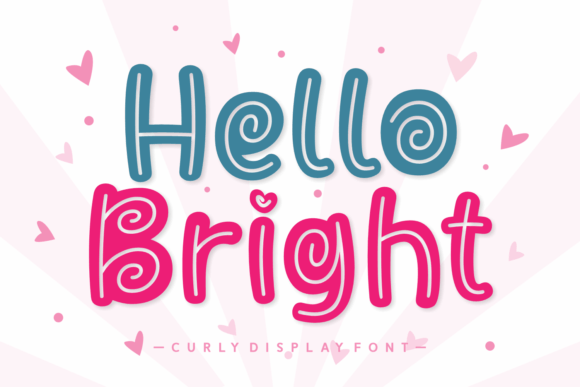
Hello Bright: A Versatile Display Font for Eye-Catching Typography
Hello Bright is a display font that stands out with its unique combination of beauty and character. Its curly, expressive design brings warmth and charm to any project it graces. Whether you're designing greeting cards, branding materials, or website headers, Hello Bright offers a sweet and friendly visual appeal that can elevate your message from ordinary to extraordinary. This typeface isn't just about aesthetics; it's also about making an impression that resonates with your audience.
Why Choose Hello Bright?
Fonts play a crucial role in communication. They influence how people perceive your content, whether it’s professional, playful, or personal. Hello Bright is particularly suited for projects where personality and positivity are key. The font's soft curves and lively strokes create a sense of approachability and joy, which makes it ideal for:
- Branding Projects: Use Hello Bright to give your brand a warm, inviting feel—especially if your target audience is young families, educators, or wellness professionals.
- Greeting Cards & Invitations: The font adds a touch of elegance and whimsy, perfect for birthdays, weddings, or holiday greetings.
- Websites and Social Media: It works well as a headline font to draw attention without overwhelming the reader.
- Posters and Print Design: From event flyers to motivational quotes, Hello Bright ensures your typography turns heads.
However, while Hello Bright is visually appealing, it's not always the best fit for every situation. Choosing the right font involves more than just picking what looks good—it requires understanding how different fonts function in various contexts.
Common Mistakes When Using Hello Bright
Many designers fall into the trap of using Hello Bright too broadly, especially when they're captivated by its style. Here are some common missteps to avoid:
1. Overusing the Font in Body Text
One of the most frequent errors is using Hello Bright for body copy instead of headlines. While it shines in large sizes, its ornate curls and flourishes can become distracting when used in smaller text. This can lead to readability issues, especially for longer paragraphs or important information that needs to be easily consumed.
Better Approach: Reserve Hello Bright for headings, titles, logos, or short impactful phrases. Pair it with a clean sans-serif or serif font for body text to maintain balance and legibility.
2. Ignoring Licensing and Usage Rights
Another overlooked detail is the licensing agreement when downloading or purchasing Hello Bright. Some users assume that because the font is available online, it's free for all uses. But this isn’t always the case. Depending on the source, Hello Bright may require a commercial license for use in print, web, or video projects.
Better Approach: Always read the fine print before downloading or buying any font. If you’re unsure about the terms, contact the font creator or check their official site for clarity. This helps prevent legal issues down the line.
3. Neglecting Contrast and Legibility
Display fonts like Hello Bright often have thick strokes and intricate details. When paired with low-contrast colors or backgrounds, these features can get lost. For example, using a light pink version of Hello Bright on a pastel yellow background might look cute but could render the text unreadable.
Better Approach: Ensure there's enough contrast between the font color and the background. Stick to darker shades against lighter ones or vice versa for maximum visibility. Test your design across multiple devices and screen sizes to confirm it remains clear and legible.
Understanding Hello Bright's Limitations
Though Hello Bright is versatile, it has specific limitations that users should consider. One of them is its suitability for languages with special characters or accents. Since it's a decorative display font, some glyphs might be missing or poorly designed, which can affect international projects or multilingual designs.
Example: Imagine you're creating a bilingual wedding invitation. If Hello Bright doesn't support Cyrillic characters, your Russian text might appear incomplete or unattractive. In such cases, it's better to pair Hello Bright with another font that complements both languages.
Better Approach: Check the font’s glyph coverage before committing to it for a project. Most font providers will list supported characters on their websites or in preview tools. Alternatively, use a font pairing tool to find complementary fonts that handle your language requirements well.
Choosing the Right Format for Your Needs
Hello Bright is likely available in several file formats, including TTF, OTF, and WOFF. Each format has its own advantages depending on the platform or software you're using. However, many beginners overlook the importance of choosing the correct one.
Mistake: Downloading a desktop version of Hello Bright and trying to use it directly on a website without converting it to a web-safe format like WOFF or WOFF2.
This can cause compatibility issues, slow load times, or even prevent the font from displaying at all on certain browsers or devices.
Better Approach: Select the appropriate format based on your project. For digital use, ensure you're using a properly converted web font. Tools like Font Squirrel’s Webfont Generator can help convert standard TTF/OTF files into optimized web versions.
How Hello Bright Compares to Similar Fonts
When exploring display fonts, it's easy to confuse Hello Bright with similar options like Dancing Script, Great Vibes, or Allura. These fonts share a hand-drawn, cursive aesthetic but differ in weight, spacing, and overall tone.
Example: Great Vibes has a more dramatic flair and bold stroke contrast, whereas Hello Bright maintains a consistent, slightly softer appearance. Understanding these nuances helps you choose the right font for your message and audience.
Better Approach: Compare Hello Bright side-by-side with other fonts in real-world applications. Create sample mockups for your intended use (e.g., a logo or social media post) and see which font aligns best with your brand identity and usability goals.
Best Practices for Incorporating Hello Bright Into Your Work
To make the most of Hello Bright, follow these practical guidelines:
- Use it Sparingly: As mentioned earlier, limit Hello Bright to short texts where its visual impact can shine without compromising readability.
- Pair it Thoughtfully: Combine Hello Bright with neutral fonts like Montserrat, Lato, or Open Sans to keep your design cohesive and balanced.
- Test on Real Surfaces: Before finalizing a design, test Hello Bright on actual print materials or screens to ensure it performs well under different lighting and resolutions.
- Stay Within Legal Boundaries: Confirm that your usage rights allow for the intended application, whether it's commercial, editorial, or personal.
- Optimize for Accessibility: Avoid using Hello Bright in situations where accessibility is a concern, such as for people with dyslexia or visual impairments. Always provide alternative text or backup fonts for critical content.
Where to Find Hello Bright and What to Look For
If you're interested in using Hello Bright, you’ll want to source it from reputable platforms like Adobe Fonts, Google Fonts, or independent font foundries. Be cautious of third-party sites that offer pirated or unauthorized versions of the font. Not only does this risk legal consequences, but it can also introduce malware or subpar quality.
Better Approach: Always download Hello Bright from the official website or trusted marketplaces. Look for clear licensing terms, customer reviews, and font previews. Reputable sources often provide demos so you can try the font before purchasing.
Final Thoughts on Making Smart Typography Choices
Hello Bright is a powerful tool in the right hands. Its charming, curly style can bring warmth and creativity to your designs. However, like any font, it's not a one-size-fits-all solution. By understanding its strengths and limitations, you can avoid common pitfalls and ensure your typography enhances rather than hinders your message.
Before incorporating Hello Bright into your next project, ask yourself: Is this the best choice for the purpose? Will it remain readable across all platforms? Do I have the proper license? Taking a moment to reflect on these questions can save time, money, and headaches later on.
Typography is a blend of art and science. With Hello Bright, you've got a font that leans toward the artistic side—but remember, the goal is always effective communication. Choose wisely, and let your words speak clearly through beautiful design.