Linder: A Display Font for Distinctive Typography
Typography plays a crucial role in visual communication, and choosing the right font can significantly impact the effectiveness of your design. One such font that has gained attention among designers is Linder. This elegant and versatile display typeface is designed to add character and uniqueness to various creative projects. Whether you're working on branding, packaging, or editorial designs, Linder offers a refined aesthetic that stands out while maintaining readability.
What Is Linder?
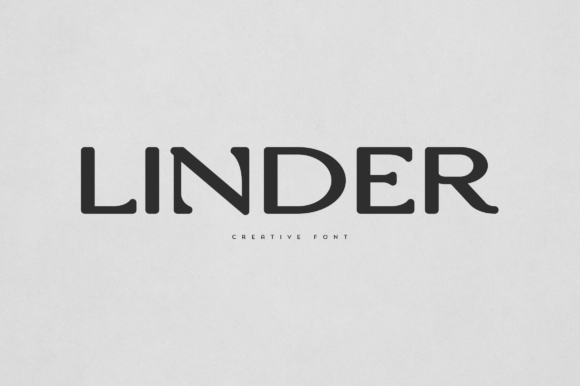
Linder is a modern display font characterized by its clean lines, subtle serifs, and balanced proportions. It blends traditional typographic elements with contemporary design sensibilities, making it suitable for both digital and print applications. The font features a high x-height, which contributes to its legibility even at smaller sizes, and an open letterform structure that enhances clarity in headlines and body text alike.
Its versatility stems from the font's ability to adapt to different styles and contexts. Designers often use Linder to create logos, magazine headers, product labels, and home décor graphics. Its neutral yet stylish appearance makes it ideal for overlaying on images without overwhelming the background content.
Why Consider Linder for Your Project?
If you're looking to elevate your typography without compromising elegance, Linder may be worth exploring. Here are some key reasons why this font appeals to many professionals:
- Visual appeal: Linder’s design adds a touch of sophistication to any layout, helping your message stand out in a visually cluttered world.
- Readability: Despite being a display font, Linder maintains good readability due to its well-spaced characters and clear forms.
- Flexibility: With its range of weights and styles, Linder can be used across multiple platforms—from website headers to printed brochures.
- Timelessness: Unlike overly trendy fonts, Linder has a classic feel that remains relevant over time, ensuring longevity in branding efforts.
Benefits and Tradeoffs of Using Linder
While Linder offers several advantages, it's important to consider how these align with your specific needs. Let’s explore some of the benefits and potential limitations:
Benefits
- Elegant branding: For businesses aiming to project a professional and upscale image, Linder provides a refined look that supports brand identity.
- Stylish overlays: When used as a text overlay on images, Linder ensures that the text remains legible and aesthetically pleasing without clashing with the visuals.
- Consistency across media: Its consistent stroke weight and spacing make it easy to maintain a cohesive design language whether online or in print.
Tradeoffs and Considerations
- Display-only suitability: While Linder works well for headlines and titles, it may not be the best choice for long blocks of body text where more conventional sans-serif or serif fonts are typically preferred.
- Design context matters: The subtlety of Linder might not suit highly dynamic or playful designs. In such cases, bolder or more decorative alternatives could better match the tone of the project.
- Font pairing challenges: As with most display fonts, finding the right companion font for secondary text can require careful consideration to avoid visual imbalance.
When Linder Is a Strong Fit
Linder excels in situations where a balance between style and professionalism is essential. It is particularly well-suited for the following scenarios:
- Branding and logo design: The font’s clean, sophisticated look complements luxury brands, lifestyle companies, and creative agencies seeking to communicate quality and refinement.
- Product packaging: Linder adds a premium feel to product labels, making it a popular choice for items like skincare products, wines, or artisanal goods.
- Magazine and editorial layouts: Used effectively in headers and pull quotes, Linder helps guide the reader’s eye through complex layouts without distracting from the content.
- Home décor and stationery: From greeting cards to wall art, Linder’s aesthetic is ideal for creating personalized and stylish home-related designs.
When Alternatives May Be Better
Despite its strengths, there are certain situations where other fonts might serve your purpose better:
- High-legibility body text: If your project requires large amounts of readable text—such as e-books, blogs, or reports—consider using a more optimized sans-serif or serif font for extended reading comfort.
- Dynamic or bold designs: For projects needing strong visual impact, such as posters or event promotions, a heavier or more expressive font may be more appropriate.
- Cultural or linguistic specificity: If your design involves non-Latin scripts or specialized language support, ensure that Linder includes the necessary glyphs and diacritics for your audience.
Practical Insights for Choosing Linder
Selecting the right font involves understanding your project’s goals, audience, and context. Here are some practical tips to help you decide if Linder is the right fit:
- Test it in real-world settings: Apply Linder to mockups of your intended design to see how it performs under different conditions, such as varying screen resolutions or lighting in print materials.
- Consider your brand voice: Does your brand lean towards minimalism, tradition, or innovation? Linder suits brands that value a timeless, polished look.
- Balance contrast and hierarchy: Use Linder sparingly to avoid visual fatigue. Pair it with simpler fonts to maintain a clear typographic hierarchy.
- Check licensing terms: Before finalizing your decision, review the font’s licensing agreement to ensure it meets your usage requirements, especially if you plan to use it commercially or distribute it publicly.
Final Thoughts
Linder is a font that bridges the gap between classic elegance and modern versatility. Its ability to enhance visual communication across a wide range of applications makes it a compelling option for designers who want to infuse their work with a sense of sophistication. However, it’s not a one-size-fits-all solution. By evaluating your project’s needs and considering the font’s characteristics, you can determine whether Linder aligns with your design goals.
Ultimately, the decision to use Linder should be based on how well it supports your message and enhances your overall design strategy. Take the time to test it in your workflow and compare it with other options to ensure it delivers the results you’re looking for.