How Pretty Ordinary Is Reshaping the Landscape of Modern Typography
In the ever-evolving world of design, typography plays a pivotal role in shaping visual identity and communication. Whether you're creating branding materials, digital content, or print designs, the right font can elevate your message from forgettable to unforgettable. Enter Pretty Ordinary, a brush display font that is making waves in creative circles for its bold, quirky, and contemporary aesthetic. This article explores how Pretty Ordinary fits into current design trends, why it’s gaining attention, and what makes it a valuable tool for professionals and creatives alike.
Understanding Pretty Ordinary: A Font with Personality
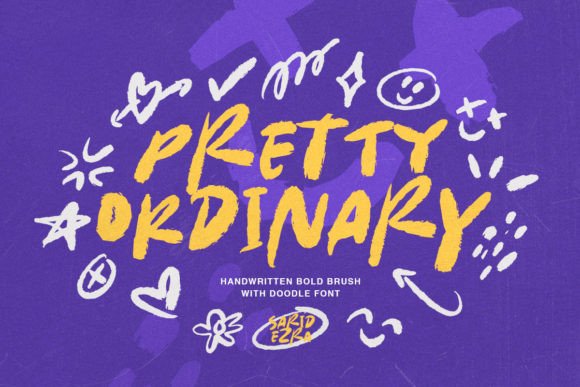
Pretty Ordinary is not just another font—it's a statement. Designed with a blend of elegance and eccentricity, this brush display font combines fluid strokes with an expressive flair. Its unique character set allows for both structured legibility and artistic spontaneity, making it ideal for projects that require a modern yet approachable look.
What sets Pretty Ordinary apart is its ability to balance formality with fun. The font's hand-brush feel gives it a human touch, while its clean structure ensures it remains readable even in larger formats. This duality is particularly appealing in today's design landscape, where audiences crave authenticity and innovation in equal measure.
Key Characteristics of Pretty Ordinary
- Bold Strokes: The font features thick, confident lines that draw the eye and add weight to any text.
- Quirky Style: Each letter carries a subtle individuality, giving your designs a sense of playfulness without sacrificing professionalism.
- Contemporary Design: Inspired by modern calligraphy and digital art, Pretty Ordinary feels fresh and forward-thinking.
- Versatile Application: Suitable for logos, posters, social media graphics, packaging, and more, it adapts well to various mediums and purposes.
The Broader Industry Context: Typography as a Branding Tool
Typography has long been a cornerstone of graphic design, but in recent years, it has taken on new importance in branding and marketing. As businesses strive to stand out in crowded markets, they are increasingly turning to distinctive typefaces to convey their personality and values. Pretty Ordinary taps into this trend by offering a font that is both stylish and adaptable.
Modern consumers are visually literate and expect brands to communicate through aesthetics as much as messaging. In this context, fonts like Pretty Ordinary serve as more than just tools for readability—they become part of the brand experience. A font with character helps build emotional connections and reinforces brand identity across multiple platforms.
Why Pretty Ordinary Fits Into Today's Creative Workflow
- Design Flexibility: With its dynamic style, Pretty Ordinary can be used in both minimalist and maximalist designs. It complements flat design layouts, adds energy to vintage-style compositions, and enhances abstract visuals with its expressive nature.
- Accessibility Across Platforms: The font is optimized for use in both digital and print environments, ensuring consistency whether it's displayed on a website or printed on merchandise.
- Collaboration-Friendly: For teams working in collaborative design spaces like Adobe Creative Cloud or Figma, having a font that works seamlessly across applications is essential. Pretty Ordinary supports such workflows without compromising on quality or creativity.
Changing Needs and Preferences in the Creative Industry
Designers today are under pressure to deliver work that is both innovative and efficient. Clients want high-impact visuals that reflect current tastes while maintaining a timeless quality. Fonts must be versatile enough to adapt to different contexts but unique enough to leave a lasting impression.
This shift in expectations has led to a growing demand for display fonts that offer more than just novelty. They need to be functional, scalable, and expressive—qualities that Pretty Ordinary embodies. As the line between personal and professional design continues to blur, especially among freelancers and entrepreneurs, the need for fonts that can bridge these worlds becomes more pronounced.
Real-World Applications of Pretty Ordinary
Let’s take a closer look at some practical examples of how Pretty Ordinary can be applied:
- Brand Logos: Many startups and boutique businesses are using Pretty Ordinary to craft logos that feel both modern and warm. The font's quirks help differentiate them from competitors who rely on standard sans-serif or serif options.
- Social Media Content: Marketers and influencers leverage Pretty Ordinary for Instagram posts, Twitter headers, and Facebook banners. Its boldness grabs attention quickly, which is crucial in fast-scrolling feeds.
- Product Packaging: Lifestyle brands, especially in the fashion and beauty sectors, use Pretty Ordinary to give their products a signature look. The font's expressiveness aligns well with the desire for artisanal and curated aesthetics.
- Editorial Design: From magazine covers to blog headers, Pretty Ordinary brings a fresh perspective to editorial content. Its contemporary edge resonates with younger audiences who appreciate modern, non-traditional styles.
Why Creatives Are Paying Attention to Pretty Ordinary
Creatives are drawn to Pretty Ordinary because it reflects the evolving mood of the market. In a time when audiences are overwhelmed by generic templates and cookie-cutter designs, a font with a distinct voice stands out. It empowers designers to create work that feels personal and intentional, rather than mass-produced.
Moreover, the rise of remote collaboration and digital-first projects means that fonts must perform well in various file formats and screen sizes. Pretty Ordinary is engineered to maintain clarity and impact across different resolutions, ensuring that the final output looks polished regardless of how it's viewed.
Another factor driving interest in Pretty Ordinary is the increasing emphasis on inclusive and diverse design. The font’s stylized yet approachable look appeals to a broad demographic, helping creators reach varied audiences without alienating any particular group. This inclusivity is key in today’s design ethos, where accessibility and representation are top priorities.
Observations from the Field
Several notable design communities have embraced Pretty Ordinary as a go-to font for standout projects. For instance, in the realm of indie publishing, authors and small press publishers are using it for book covers and promotional materials. Its quirky charm adds a layer of intrigue to titles, helping them gain traction in a saturated market.
Freelance web designers also report using Pretty Ordinary for hero sections and call-to-action buttons. The font’s boldness commands attention, guiding users toward important elements on the page. This strategic use of typographic hierarchy can improve user engagement and overall site performance.
In the world of event design, Pretty Ordinary is being utilized for invitations, signage, and promotional posters. Its versatility allows it to fit within both formal and casual themes, making it a favorite among planners looking to inject personality into their visuals.
Connecting Pretty Ordinary to Larger Trends
Pretty Ordinary doesn’t exist in isolation—it's part of a broader movement toward experiential design. As brands and individuals seek to create more immersive experiences, typography becomes a critical element in setting the tone and atmosphere. Pretty Ordinary contributes to this trend by offering a font that feels alive and engaging.
Additionally, the font aligns with the growing preference for hybrid styles that merge traditional craftsmanship with digital innovation. Brush scripts and hand-lettered fonts are experiencing a renaissance, thanks to their perceived authenticity and uniqueness. Pretty Ordinary capitalizes on this trend by delivering a digital font that retains the warmth and texture of hand-drawn typography.
From a business perspective, adopting a font like Pretty Ordinary can streamline creative processes. Rather than commissioning custom illustrations or spending hours tweaking existing fonts, teams can integrate Pretty Ordinary into their workflow and achieve a cohesive, high-quality look faster. This efficiency is invaluable in industries where speed and adaptability are key.
Looking Ahead: The Future of Display Fonts
As we move further into the digital age, the role of typography will continue to evolve. Designers will seek out fonts that are not only visually striking but also capable of adapting to emerging technologies and platforms. Pretty Ordinary is positioned to meet these demands head-on, offering a font that is both ahead of the curve and rooted in usability.
We can expect to see increased integration of expressive fonts like Pretty Ordinary in AI-driven design tools and generative art projects. These fonts provide a foundation for automated systems to generate creative outputs that feel human and relatable. By choosing Pretty Ordinary, designers future-proof their work against obsolescence and ensure it remains relevant in the coming years.
Final Thoughts: Embracing the Quirky in Design
In a world that often prioritizes uniformity and minimalism, Pretty Ordinary offers a refreshing alternative. It speaks to the need for creativity that feels genuine, dynamic, and memorable. Whether you're a seasoned designer or just starting out, incorporating Pretty Ordinary into your toolkit can open up new possibilities for expression and innovation.
As consumer preferences shift toward more personalized and emotionally resonant content, the demand for fonts like Pretty Ordinary will only grow. Those who recognize its potential early will find themselves better equipped to create compelling, trend-aligned designs that capture attention and foster connection.
If you’re ready to bring a fresh, bold energy to your next project, consider adding Pretty Ordinary to your collection. You might just find that it’s the missing piece that transforms your work from ordinary to extraordinary.